Tuesday, June 30, 2009
HOPS FARM

Tuesday, June 16, 2009
Monday, June 15, 2009

Wednesday, June 10, 2009
BEER TASTING TERMS
Amber: Describes medium intensity colored beers, ranging between pale and dark.
Balance: Describes how a beer exhibits a perfect balance of ingredients, bouquet, texture and aroma.
Bitterness: Generally the higher the hop content, the more bitter the beer.
“Big” Beer: Refers to the richness or fullness of flavor derived from the malt.
Body: As with wine, refers to the “mouthfeel,” the impact and texture of the beer on the palate.
Bouquet: Another wine tasting term, describes the beer’s complex aromas.
Caramel: Refers to a buttery, toffee-flavored aftertaste.
Clean: Refers to pure, crisp, fresh tasting beer, free of sediment.
Clove: Refers to wheat beers that resemble the taste of cloves.
Crisp: Refers to a beer’s acidity and refreshing qualities.
Depth: Denotes both the beer’s richness and its complexity of flavors.
Finish: Describes a beer’s aftertaste and your final impression of it.
Flowery: Refers to the flowery aroma hops give beer.
Full-bodied: Characterizes malty beers with complex flavors.
Haze: Caused by yeast or protein suspension, refers to a cloudy appearance and slightly musty taste.
Hoppy: Refers to a beer with a high hop content.
Malty: The term for sweet, smoky, earthy flavored beers that have undertones of caramel or molasses.
Smooth: Characterizes easy drinking beers with great mouthfeel.
Spicy: Refers to a distinctly hoppy flavor or the aroma of herbs.
Thin: Refers to a watery, one-dimensional beer that lacks body or character.
Tuesday, June 9, 2009
Extra Pale Ale All Grain Kit
O.G: 1045 / Ready: 6 weeks
Pale ale was originally a British invention, a novelty after centuries of dark ales. Now, thanks to microbreweries such as Summit and Sierra Nevada, pale ale has become an all-American beer with a style all its own. Crisp, hoppy, and quenching, our Extra Pale Ale is highlighted with the sharp, citrus aroma of Cascade hops in the new tradition of West Coast ales.
Kit Inventory
Fermentables
7.5 lbs. Rahr 2-Row Pale
1 lbs. Belgian Caramel Pils
Boil Additions
2 oz. Cascade (60 min)
1 oz. Cascade (1 min)
If you choose dry yeast
Safale US-05. Optimum temperature: 59-75° F.
If you choose liquid yeast
Wyeast #1056 American Ale Yeast. Optimum temperature: 60-72° F.
Mash Schedule
153° F for 60 minutes
170° F for 10 minutes
http://www.northernbrewer.com/alekits-allgrain.html
ProMash file is available as well
American Wheat Beer All Grain Kit
O.G: 1040 / Ready: 6 weeks
A familiar style made popular by microbreweries all over the US. Like their German cousins, American wheat beers feature large proportions of malted wheat in the grain bill and are naturally cloudy in appearance. Unlike German Weizenbiers, though, American wheat beers have a bit more hop character and are fermented with a milder-tasting yeast, resulting in a more clean, neutral finish. Wyeast's US Hefeweizen strain makes for a spritzy, refreshing warm-weather crowd-pleaser.
Kit Inventory
Fermentables
4 lbs. Rahr White Wheat
4 lbs. Rahr 2-Row Pale
Boil Additions
1 oz. Willamette (60 min)
1 oz. Cascade (15 min)
If you choose dry yeast
Safale US-05. Optimum temperature: 59-75° F.
If you choose liquid yeast
Wyeast #1010 American Wheat Yeast. Optimum temperature: 58-74° F.
Mash Schedule
153° F for 60 minutes
170° F for 10 minutes
http://www.northernbrewer.com/alekits-allgrain.html
(ProMash file is available as well)
Belgian Tripel All Grain Kit
O.G: 1073 / Ready: 3 months
Charlie Papazian once called Belgium "the Disneyland of beers." Whatever you do, Charlie, keep the Tripel away from Mickey. This beer is very high in gravity, alcohol, and body, and really needs some aging before it hits its peak. Unlike many beers of similar gravity, Tripel is quite light in color, resembling a very light-amber pale ale.
Kit Inventory
Fermentables
11.5 lbs. Dingemans Pilsner
0.75 lbs. Dingemans Caramel Pils
1 lbs. Clear Belgian Candi Sugar
Boil Additions
0.5 oz. Summit (60 min)
1 oz. Saaz (1 min)
If you choose dry yeast
Not recommended.
If you choose liquid yeast
Wyeast #3787 Trappist High Gravity. Optimum temperature: 64-78° F.
Mash Schedule
122° F for 20 minutes
153° F for 60 minutes
170° F for 10 minutes
http://www.northernbrewer.com/alekits-allgrain.html
ProMash file is available as well
Houblonmonstre Tripel IPA Extract Kit
O.G: 1082 / Ready: 6-8 weeks
Once upon a time a poor homebrewer was lamenting the lack of time that the modern world allowed him for his hobby. He had the ingredients for a batch of Tripel and a batch of IPA, but the demands of home and work life were such that he had no opportunity to brew them, and so he cried himself to sleep. While he slept, a collective of Ardennes Forest Beer Gnomes (Houblonmonstres, in Flemish) came into his house and took pity on the poor homebrewer. They decided they'd brew his beer for him. Unfortunately, the Gnomes were already three sheets when they broke into his home, and so they combined the ingredients for the two batches. This recipe is the result of their drunken meddling: an elegant and pale strong abbey ale carpet-bombed with American and continental hops. You're going to have to do the brewing yourself, though.
Kit Inventory
Fermentables
3.15 lbs. Pilsen Malt Syrup (boil for 60 min.)
6 lbs. Pilsen Malt Syrup (boil for 15 min.)
Boil Additions
1 oz. Yakima Magnum (60 min)
1 oz. Saaz (15 min)
1 oz. Cascade (15 min)
1 oz. Saaz (5 min)
1 oz. Cascade (5 min)
Special Ingredients
Priming Sugar - 2 lbs. (Add at end of boil.)
If you choose dry yeast
Not recommended.
If you choose liquid yeast
Wyeast #3522 Belgian Ardennes Yeast. Optimum temperature: 65-85° F.
All kits also contain a muslin mesh bag for steeping the grains (if required).
http://www.northernbrewer.com/alekits-allgrain.html
(ProMash file is available as well)
SH2B (Single Hop Best Bitter) Extract Kit
O.G: 1045 / Ready: 4-5 weeks
Best bitters occupy the territory between low-gravity, low-aclohol ordinary bitters and heavier and hoppier ESBs: they're session beers with a bit of substance. Through three kettle additions, this kit showcases the herbal, earthy, and resiny character of Fuggle hops. Brewed with all English malt (Munton's DME in the extract kit, Maris Otter in the AG version) and an ale yeast that is absolutely classic for bitters, this is a pedigreed, card-carrying pub ale. Copper in color and complex in profile, expect aromas and flavors of rich malt, fruit, toffee, biscuit, chocolate, and resiny hops. Serve in 20 oz increments in an NB Mine pint.
Kit Inventory
Specialty Grains
8 oz. Simpson's Dark Crystal
2 oz. Fawcett Pale Chocolate
Fermentables
3 lbs. Munton's Light DME
1 lbs. Munton's Amber DME
Boil Additions
2 oz. Fuggle (60 min)
1 oz. Fuggle (15 min)
1 oz. Fuggle (5 min)
Special Ingredients
Priming Sugar - 1 lb. (Add at end of boil.)
If you choose dry yeast
Safale S-04. Optimum temperature: 64-75° F.
If you choose liquid yeast
Wyeast #1968 London ESB Yeast. Optimum temperature: 64-72° F.
All kits also contain a muslin mesh bag for steeping the grains (if required).
http://www.northernbrewer.com/alekits-allgrain.html
(ProMash file is available as well)
Sinistral Warrior IPA Extract Kit
O.G: 1065 / Ready: 6-8 weeks
A burnished gold ale with a name to please 10th level beer nerds and a flavor to please all lovers of American craft brews. Taking its name from the hop variety that makes up its late addition, SWIPA is a potent beer with an aggressive hop character that is not quite balanced out by its big malt bill. Eminently quaffable but it's not a session beer - enough pints and your right hand won't know what the left hand is doing. Here at NB World HQ we like Sinistral Warrior all by itself, but it does complement a bison cheeseburger like nobody's business.
Kit Inventory
Specialty Grains
12 oz. Briess Caramel 40
4 oz. Briess Caramel 80
Fermentables
3.15 lbs. Gold Malt Syrup (boil for 60 min.)
6 lbs. Gold Malt Syrup (boil for 15 min.)
Boil Additions
1 oz. Yakima Magnum (60 min)
1 oz. Centennial (15 min)
1 oz. Cascade (15 min)
2 oz. Warrior (0 min)
If you choose dry yeast
Safale US-05. Optimum temperature: 59-75° F.
If you choose liquid yeast
Wyeast #1056 American Ale Yeast. Optimum temperature: 60-72° F.
All kits also contain a muslin mesh bag for steeping the grains (if required).
http://www.northernbrewer.com/alekits-allgrain.html
ProMash file is available as well
115th Dream Hopbursted IPA Extract Kit
O.G: 1085 / Ready: 2-3 months
History has known this terrifying ale by many names: Darth Humulus, One Pound Johnny, the Green Monster, Cerveza del Diablo, Lord of the Fly Sparge, Harvester of Cones. There's no need for us to gild the lily, so how about some data followed by some facts: one pound of hops (yeah, a pound of hops), 9.2% abv, IBUs in the neighborhood of 120, BU:GU ratio of 1.2:1. Hopbursting is a technique that contributes a significant percentage of a beer's total bitterness through late additions, which as a byproduct creates a psychedelic amount of hop aroma and flavor. This kit uses enough ingredients to brew at least four session beers. If you serve this beer to a Michelob Ultra drinker, he or she will cry. If life were a 1950s horror flick, this I2PA would climb out of the fermenter and turn on its master. Your dentist does not want you to brew or drink this beer. Sorry in advance about your tooth enamel.
Kit Inventory
Fermentables
6 lbs. Amber Malt Syrup (boil for 60 min.)
6 lbs. Gold Malt Syrup (boil for 15 min.)
Boil Additions
2 oz. Cluster (60 min)
2 oz. Cluster (30 min)
3 oz. Hopburst Blend (15 min)
3 oz. Hopburst Blend (10 min)
3 oz. Hopburst Blend (5 min)
3 oz. Hopburst Blend (0 min)
Special Ingredients
Priming Sugar - 2 lb. (Add at end of boil.)
If you choose dry yeast
Safale US-05. Optimum temperature: 59-75° F.
If you choose liquid yeast
Wyeast #1056 American Ale Yeast. Optimum temperature: 60-72° F.
All kits also contain a muslin mesh bag for steeping the grains (if required).
Notre Dame d'Golden Valley Extract Kit
O.G: 1055 / Ready: 2-12+ months
According to Twin Cities lore, a beautiful Scandinavian-American princess once dropped a kringle into Wirth Lake; a walleye brought the soggy, circular pastry up from the depths and returned it to her. To commemoreate the miracle, the walleye was filleted and the abbey of Notre Dame d'Golden Valley was built in the suburb of the same name. The monastic beer brewed here is unlike any other in the world. Seriously, it's totally unique. Wink, wink.
A world-class artisanal ale that defies categorization. Refined complexity from a marriage of ingredients boldly used: high IBUs and dry hops (very unusual in a Belgian-style beer), and fermentation with a mixed culture including Brettanomyces. At bottling, NDdGV bursts with citrus fruit, herbs, and candylike malt layered under a pronounced hop character. The hops fade into the background and eventually disappear as the Brett starts to add complex, earthy aromas, elevated alcohol and acidity, and a leaner body through prolonged refermentation in the bottle. The ultimate expression of beer as a living, evolving, artisanal product: no two tastings will be exactly the same! Drinkable as soon as 2 months from brewing day, but save at least a couple six packs for sampling at 6 months and 1 year.
Kit Inventory
Specialty Grains
0.75 lbs. Caravienne
0.25 lbs. Belgian Special B
Fermentables
6.3 lbs. Pilsen Malt Syrup
Boil Additions
1 oz. Tradition (60 min)
1 oz. Hersbrucker (60 min)
2 oz. Hallertau Select (15 min)
Special Ingredients
Priming Sugar - 1 lb. (Add at end of boil.)
Styrian Goldings - 2 oz. (dry hop)
If you choose dry yeast
Not recommended.
If you choose liquid yeast
Wyeast #3789 Trappist Blend. Optimum temperature: 65-85° F.
All kits also contain a muslin mesh bag for steeping the grains (if required).
http://www.northernbrewer.com/alekits-allgrain.html
(ProMash file is available as well)
St. James' Gate Foreign Extra Stout Extract Kit
O.G: 1071 / Ready: 2-12+ months
Our first kit to ever include TWO yeast packs - an ale yeast for alcoholic fermentation, and a culture of Brettanomyces claussenii, the bacteria responsible for the funky, fruity undertones in vatted old ale! Brewed strong and hoppy for export to the far corners of the empire, foreign extra stouts took on a "vatted" character from Brett fermentation during transport and storage. The modern paragon of this style blends a percentage of pasteurized, Brett-fermented wort with S. cerevisiae-fermented wort to add acidic sourness and estery high notes to a more stable product.
This beer is a mighty, midnight-black strong stout in the tradition of Dublin's tropical export ales. Overtones of Turkish coffee and ultra-premium dark chocolate. Malt and residual sweetness spar with roast barley and a hefty charge of IBUs without a clear winner. You, the brewer, choose the ultimate character of this beer - modern or antique? Controlled sourness with mild- to moderate acid and esters; or the old-skool Victorian program with introduction of Brett to the entire batch during a lengthy secondary for a truly wild fermentation? The choice, dear homebrewer, is in your hands.
Kit Inventory
Specialty Grains
1 lbs. Roast Barley
0.5 lbs. 80 °L Crystal Malt
Fermentables
6 lbs. Dark Malt Syrup
2 lbs. Dark DME
Boil Additions
1 oz. Summit (60 min)
Special Ingredients
Priming Sugar - 1 lb. (Add at end of boil.)
If you choose dry yeast
Not recommended.
If you choose liquid yeast
Wyeast #9992 St. James Gate Yeast Kit. Optimum temperature: 62-75° F.
All kits also contain a muslin mesh bag for steeping the grains (if required).
http://www.northernbrewer.com/alekits-allgrain.html
(ProMash file is available as well)
La Saison Noire Extract Kit
O.G: 1053 / Ready: 5 weeks
Right from the middle of French Flanders, this black saison is one of the most complex beers you will ever brew. An explosion of malt-derived dark fruits (think plums and sultana raisins) blends extraordinarily well with deep notes of toast and nut. A robust citrus and peppery disposition with an astonishingly smooth finish reminiscent of a top shelf espresso makes this beer entirely unique. Try it in a carbonnade or as a braising liquid for beef roast.
Recommendations:
Primary fermantation: 75°-90°F, approx. 1 week
Secondary fermentation: 65°-75°F, 2-3 weeks
Kit Inventory
Specialty Grains
1 lbs. Belgian Caramunich
0.5 lbs. Belgian Carafa III
Fermentables
6 lbs. Pilsen Malt Syrup
1 lbs. Pilsen Dry Malt Extract
Boil Additions
2 oz. Argentina Cascade (60 min)
If you choose dry yeast
Not recommended.
If you choose liquid yeast
Wyeast #3711 French Saison Yeast - Private Collection July-Sept. Optimum temperature: 65-77° F.
All kits also contain a muslin mesh bag for steeping the grains (if required).
http://www.northernbrewer.com/alekits-allgrain.html
(ProMash file is available as well)
Les Saisonniers Saison de Table Extract Kit
O.G: 1035 / Ready: 5 weeks
During the early part of the 20th century Flemish farms would employ Les Saisonniers (seasonal workers) to help with the harvest. Table saisons were low gravity but highly flavorful beers that quenched workers' thirsts while still satisfying workers' palates. This particular saison has a low alcohol (approx. 3.5%) with a touch of wheat and an invigorating blend of spices. A dry, tart finish with lots of earthy, peppery notes makes this saison the ultimate lawnmower beer!
Recommendations:
Primary fermantation: 75°-90°F, approx. 1 week
Secondary fermentation: 65°-75°F, 3-4 weeks
Kit Inventory
Fermentables
3 lbs. Pilsen Dry Malt Extract
1 lbs. Wheat Dry Malt Extract
Boil Additions
1 oz. German Spalt (60 min)
1 oz. Saison Spice Blend (10 min)
If you choose dry yeast
Not recommended.
If you choose liquid yeast
Wyeast #3726 Farmhouse Ale - Private Collection July-Sept. Optimum temperature: 70-95° F.
All kits also contain a muslin mesh bag for steeping the grains (if required).
http://www.northernbrewer.com/alekits-allgrain.html
(ProMash file is available as well)
Les Saisonniers Saison de Table Extract Kit
O.G: 1035 / Ready: 5 weeks
During the early part of the 20th century Flemish farms would employ Les Saisonniers (seasonal workers) to help with the harvest. Table saisons were low gravity but highly flavorful beers that quenched workers' thirsts while still satisfying workers' palates. This particular saison has a low alcohol (approx. 3.5%) with a touch of wheat and an invigorating blend of spices. A dry, tart finish with lots of earthy, peppery notes makes this saison the ultimate lawnmower beer!
Recommendations:
Primary fermantation: 75°-90°F, approx. 1 week
Secondary fermentation: 65°-75°F, 3-4 weeks
Kit Inventory
Fermentables
3 lbs. Pilsen Dry Malt Extract
1 lbs. Wheat Dry Malt Extract
Boil Additions
1 oz. German Spalt (60 min)
1 oz. Saison Spice Blend (10 min)
If you choose dry yeast
Not recommended.
If you choose liquid yeast
Wyeast #3726 Farmhouse Ale - Private Collection July-Sept. Optimum temperature: 70-95° F.
All kits also contain a muslin mesh bag for steeping the grains (if required).
http://www.northernbrewer.com/alekits-allgrain.html
(ProMash file is available as well)
Bière de Chute Extract Kit
O.G: 1061 / Ready: 7 weeks
A Belgian Oktoberfest... you must be joking!? Nope! This biere de garde (or more aptly, "Beer of Fall") reaches back into history to draw out great complexity and depth from a simple bill of ingredients. Straddling the line between a lager and an ale, this beer combines the best of both worlds with restrained fruity esters and a smooth lager-like character. A fusion of toasty, bready, and nutty malt flavors with spicy yeast and peppery alcohol make Bière de Chute readily drinkable and utterly dangerous. Prost à Français!
Recommendations:
Primary fermantation: 66°-69°F, approx. 1 week
Secondary fermentation: 32°-34°F, 3-4 weeks
Kit Inventory
Specialty Grains
0.5 lbs. Briess Carapils
Fermentables
6 lbs. Amber Malt Syrup
1 lbs. Pilsen Dry Malt Extract
1 lbs. Priming Sugar
Boil Additions
1 oz. German Tradition (60 min)
If you choose dry yeast
Not recommended.
If you choose liquid yeast
Wyeast #3725 Biere De Garde - Private Collection July-Sept. Optimum temperature: 70-95° F.
All kits also contain a muslin mesh bag for steeping the grains (if required).
http://www.northernbrewer.com/alekits-allgrain.html
(ProMash file is available as well)
Bière de Chute Extract Kit
O.G: 1061 / Ready: 7 weeks
A Belgian Oktoberfest... you must be joking!? Nope! This biere de garde (or more aptly, "Beer of Fall") reaches back into history to draw out great complexity and depth from a simple bill of ingredients. Straddling the line between a lager and an ale, this beer combines the best of both worlds with restrained fruity esters and a smooth lager-like character. A fusion of toasty, bready, and nutty malt flavors with spicy yeast and peppery alcohol make Bière de Chute readily drinkable and utterly dangerous. Prost à Français!
Recommendations:
Primary fermantation: 66°-69°F, approx. 1 week
Secondary fermentation: 32°-34°F, 3-4 weeks
Kit Inventory
Specialty Grains
0.5 lbs. Briess Carapils
Fermentables
6 lbs. Amber Malt Syrup
1 lbs. Pilsen Dry Malt Extract
1 lbs. Priming Sugar
Boil Additions
1 oz. German Tradition (60 min)
If you choose dry yeast
Not recommended.
If you choose liquid yeast
Wyeast #3725 Biere De Garde - Private Collection July-Sept. Optimum temperature: 70-95° F.
All kits also contain a muslin mesh bag for steeping the grains (if required).
http://www.northernbrewer.com/alekits-allgrain.html
(ProMash file is available as well)
The Inn Keeper Extract Kit
O.G: 1043 / Ready: 4 weeks
Thirty six major awards. Four-time Brewers International Champion. Four-time CAMRA Beer of the Year. Simply put, the muse for this kit has won more awards than any other English beer, period. From very simple ingredients comes a wonderfully well- balanced dram. Spicy, herbal, and English biscuits. Flashes of clean citrus and chewy minerals blend into a complex finish that is refreshingly bitter and remarkably dry. The way a pint was meant to taste. Truly spot on!
Kit Inventory
Specialty Grains
0.25 lbs. Simpson's Extra Dark Crystal
0.25 lbs. Belgian Biscuit Malt
Fermentables
3.15 lbs. Pilsen Malt Syrup
1 lbs. Pilsen Dry Malt Extract
1 lbs. Priming Sugar
Boil Additions
1 oz. Fuggle (60 min)
1 oz. Kent Goldings (45 min)
1 oz. Styrian Goldings (5 min)
If you choose dry yeast
Not recommended.
If you choose liquid yeast
Wyeast #1469 West Yorkshire Ale. Optimum temperature: 64-72° F.
All kits also contain a muslin mesh bag for steeping the grains (if required).
http://www.northernbrewer.com/alekits-allgrain.html
(ProMash file is available as well)
Cumbrian Double Brown Ale Extract Kit
O.G: 1059 / Ready: 6 weeks
Who doesn't like a brown ale? The way we see it is: if a regular brown ale is good, a double brown ale is doubly good! From the Lake District of northern England comes this deep red, wickedly smooth, and decidedly dangerous libation. Invigorating and strong, this double brown ale has deep notes of caramel, mocha, toffee and chocolate. A wonderful beer to enjoy over conversation with a group of friends... or to drink by yourself, pint of Cumbrian in one hand, tumbler of Islay in the other... either way, you are in for a bloody grand evening.
Kit Inventory
Specialty Grains
1.25 lbs. Amber Malt
0.33 lbs. Extra Dark Crystal Malt
0.33 lbs. Medium Crystal Malt
0.33 lbs. Pale Chocolate Malt
Fermentables
6 lbs. Gold Malt Syrup
1 lbs. Priming Sugar
Boil Additions
1 oz. Fuggle (60 min)
If you choose dry yeast
Not recommended.
If you choose liquid yeast
Wyeast #1026 British Cask Ale Yeast. Optimum temperature: 63-72° F.
All kits also contain a muslin mesh bag for steeping the grains (if required).
http://www.northernbrewer.com/alekits-allgrain.html
(ProMash file is available as well)
Peace Coffee Stout Porter Extract Kit
O.G: 1046 / Ready: 4 weeks
Peace Coffee and Northern Brewer have teamed up to bring you an amazingly simple yet complex stout porter. Peace coffee works with local cooperatives to bring in 100% fair trade coffee from the farmers that grow it and delivers the coffee, through all seasons, by bicycle messenger. We love Peace Coffee for all these things, but just as importantly the coffee is freaking amazing! The stout porter has notes of black currants, black cherries, and cocoa with mouthfilling bready malt flavors. The specially formulated coffee blend was created to lend a rich, muscular coffee backbone and provides a fruity and spicy nose. Usually 1 + 1 = 2, but in this case 1 + 1 = 1000x times more awesomer than 2.
Kit Inventory
Specialty Grains
0.5 lbs. Simpson's Dark Crystal
0.5 lbs. Chocolate Malt
0.5 lbs. Black Malt
Fermentables
6 lbs. Gold Malt Syrup
Boil Additions
1 oz. Kent Goldings (60 min)
Special Ingredients
4 oz. Peace Coffee Stout Porter Blend (grind coarsely and add to secondary)
If you choose dry yeast
Not recommended.
If you choose liquid yeast
Wyeast #1768 English Special Bitter. Optimum temperature: 65-80° F.
All kits also contain a muslin mesh bag for steeping the grains (if required).
http://www.northernbrewer.com/alekits-allgrain.html
(ProMash file is available as well)
Imperial Slavic Ale Extract Kit
O.G: 1100 / Ready: 6 weeks
ISA! If California can have its double IPAs, why can't one of the finest hop growing regions in the world do it one better!? This triple IPA clocks in with a face-melting +200 IBUs given by a full half pound of hops. We have added three pounds of Orange blossom honey to this beast which lends a sweet citrus character that blends perfectly with the floral and pungent hop bouquet. At approx. 11% abv, this is one bad matka...can you handle it?
Kit Inventory
Specialty Grains
1 lbs. Belgian Caramel 20
Boil Additions
2 oz. Summit (90 min)
1.5 oz. ISA Hop Blend (45 min)
0.75 oz. ISA Hop Blend (20 min)
6 lbs. Pilsen Malt Syrup (20 min)
3.15 lbs. Pilsen Malt Syrup (20 min)
0.75 oz. ISA Hop Blend (15 min)
0.75 oz. ISA Hop Blend (10 min)
0.75 oz. ISA Hop Blend (5 min)
0.75 oz. ISA Hop Blend (0 min)
Special Ingredients
0.75 oz. ISA Hop Blend (dry hop)
3 Lbs. Orange Blossom Honey (Add to primary after chilling. Wait until fermentation begins.)
If you choose dry yeast
Not recommended.
If you choose liquid yeast
Wyeast #9093 Imperial Blend - Private Collection. Optimum temperature: 68-75° F.
http://www.northernbrewer.com/alekits-allgrain.html
(ProMash file is available as well)
XX Ale Extract Kit
O.G: 1061 / Ready: 4 weeks
Crowded, polluted, foggy, and dangerous: these were the streets of Victorian London. Porter was the everyday drink of the working man who would, on rare occasion, order a pint of something more special. Stock ales, what we now call Old ales, were different in the fact they had been aged and blended to produce a much more flavorful beer. This 'aged' character was sought after and cherished so much so that these beers were nearly double the price of the regular offerings. This beer, with its dried dark fruit character exemplifies the base of these stock ales. Additionally, a small amount of Brettanomyces is used in combination with yeast to give that unique aged flavor. Drink this young for a rich fruity libation or let it age and you'll get notes of leather and dark cherry pie. If you ever wanted to know what a traditional stock ale tasted like, this is your chance.
Kit Inventory
Specialty Grains
1 lbs. Special B
0.5 lbs. Black Malt
Fermentables
6 lbs. Amber Malt Syrup
1 lbs. Black Treacle
1 lbs. Priming Sugar
1 lbs. Maltodextrin
Boil Additions
1 oz. Fuggle (60 min)
If you choose dry yeast
Not recommended.
If you choose liquid yeast
Wyeast #9097 Old Ale Blend - Private Collection. Optimum temperature: 68-75° F.
http://www.northernbrewer.com/alekits-allgrain.html
(ProMash file is available as well)
Québécois Quadruple Wheat Wine Extract Kit
O.G: 1092 / Ready: 8 weeks
The Québécois are proud, bold and fiercely loyal people that can't be understood after a few pints, and they sure can make damn good beer. This quadruple wheat wine is very much along the lines of a strong Belgian golden ale but with a wheat focus. The wheat adds a bready character and keeps the beer from being too dry and the addition of Grains of Paradise adds a spicy, peppery finish. This dangerously potent (approx. 9% abv) libation is a peace offering to our friends to the North: in all seriousness, sorry for stealing Shatner...
Kit Inventory
Specialty Grains
0.5 lbs. Honey Malt
Fermentables
6 lbs. Wheat Malt Syrup
3 lbs. Wheat Dry Malt Extract
2 lbs. Priming Sugar
Boil Additions
1 oz. Cluster (60 min)
4 grams Paradise Seeds (10 min)
If you choose dry yeast
Not recommended.
If you choose liquid yeast
Wyeast #3864 Canadian/Belgian Ale - Private Collection. Optimum temperature: 65-80° F.
All kits also contain a muslin mesh bag for steeping the grains (if required).
http://www.northernbrewer.com/alekits-allgrain.html
(ProMash file is available as well)
Thursday, June 4, 2009
Wednesday, June 3, 2009
AUSTRALIAN COOPER’S SPARKLING ALE
97% Pilsner
3% Light Crystal 60-90 IBU
MASH
90 min @ 144^F
(recommends soft water)
BOIL
90 min
HOPS
40-50 IBU of Pride of Ringwood
(substitute with Galena or Cluster)
YEAST
White Labs WLP 009 Cooper’s Yeast
1½ - 2½ liter starter
FG 1.004 – 1.006
(Lower FG = “dryer” beer)
FERMENTATION
70ish^ F
18-20^C = not as fruity
21-23^C = Fruity (hints of banana)
WHAT A GREAT DEAL AT METCALF DISCOUNT LAST NIGHT!!!!
BELGIAN TRIPPEL
OG 1.081
FG 1.012
IBU 34
14 LB Continental Pilsner Malt
113 g Aromatic
MASH @ 149 F^
HOPS
60 min2.3 oz Tetang 4%
10 min 0.5 oz Chek Saaz 3%
YEAST
White Labs WLP 530
Whyeast Trappist High Gravity
PITCH @ 64^
Raise temp over 1 week to 71^
Carbonate to 3-4 volumes
Condition 1 mo. @ 50^
NOTE: if bottling
American style bottles are thin walled compared to the other side of the pond. They are known to burst at 4+ volumes of pressure. BE CAREFUL
Thursday, May 28, 2009
Wednesday, May 27, 2009
FIRST YEAST STARTER...this should be entertaining....
This is my first attempt at a yeast starter and I am paranoid about overheating the BOMEX Erlenmeyer on the sttttttttttttttttttttttttttttttttttttttttttttttttttttttttttttttttttttttttttttttttttttttttttttttttttttttttttttttttttttttttttttttttttttttttttttttttttttttttttttttttttttttttttt
Thursday, May 21, 2009
Tuesday, May 19, 2009
LAGUNITA'S CENSORED ALE
6 Gallon Batch
O.G. 1.066
F.G. 1.017
4.5-5 love plato
SRM 12.67
IBU 35
Mash
156^
150^ would be to dry and caramely
MALT
lbs 11.82 2 Rahr Base Pale
lbs 1.27 Malted Wheat
lbs 1.58 Munich
lbs 1.03 C-60 (Crystal?/Carapils?)
lbs .07 Roasted Barley (Quebrier / 500-Lovibond )
HOPS
Grams per Liter
60-27.24 Lambit 4-6%
60- 4.45 Horizon 12% (Nugget)
30-16.00 Lambit
30- 2.3 Centennial 10%
30- 4.5 Cascade 6%
00- 9.0 Centennial
00- 9.0 Liberty
Yeast:
Enlish Ale Yeast 1968
WLP002
Fermentation:
66^
Last 48 hours > 77^
Gypsum
Mash 100 ppm
Kettle 50 ppm
Final 60 ppm
Promtly remove from yeast when fermentation is complete
GUESS WHAT I MADE LAST NIGHT....
Note: The other accessories have been ordered and I am waiting on a shipment from http://www.morebeer.com/ and http://www.northernbrewer.com/
Monday, May 4, 2009
SUNDAY SESSION: DOUBLE IPA _2008.07.06
the BN jolly pumpkin show canceled forum
haze is good, double IPA that are clear are made by pu$$ie$
light munich malt
dry hop with Columbus (substitute with Summit) for "dank" smell
cascade = grassy
1st link on page
OG 1.074
FG 1.012
summit instead of simcoe
bittering with halletau instead of warrior
Pliny like recipe (with hop sibstitutions)
145^>152-154^ mashout @ 165^
chinook and simcoe in mash (another mod from orig. recipe which only had chinook)
150-152 for single infusion
whole hops in the mash at dough-in (converts to about 30% aroma)
add gypsum to bring up the hardness (calcium sulfate) adds to the hops
little calcium carbonate
use a hopback
weighted stainless dryhop in keg
how do you take mutiple gravity readings????
always dry hop @ fermentation temperature
California Ale (neutral yeast) 001 is best at 68^
1056 can go a bit lower
550 white labs cheuff yeast
Temp control @ 68^ crash to 55^ then pull yeast off
dry hop (make sure to remove yeast before dryhopping)
english yeasts would tend to be partial fruit
experiment with belgian yeasts but it would be necessary to roust the yeasts regularly
7/2/2008 Fed. Rocommended WATERONE
Aluminum 200 ppb 42 ppb
Chloride 250 ppm 60 ppm
Copper 1000 ppb 3 ppb
Corrosivity 0 S.I. 1.09 S.I.
Fluoride 2000 ppb 590 ppb
Iron 300 ppb 55 ppb
Odor-Threshold 3 T.O.N. 1 T.O.N.
Sulfate 250 ppm 99 ppm
Total Dissolved Solids 500 ppm 316 ppm
Zinc 5000 ppb 20 ppb
70-80% basemalt domestic 2 rahr
some marris otter / vienna / munich
1% wheat head retention
5-10% dexterin malt domestic crystil 10-40
some breas carapil
? crystal 120
? pilsner malt >extra enzymes convert the mash be aggressive with it
5-15% simple sugar >to finish out add right before boil
start with RO Water
TASTY's WATER RECIPE
Calcium 110 ppm
Magnesium 118 ppm
Sodium 17 ppm
Sulfate (SO4) 350 ppm
Chloride 58 ppm
Ken Schwartz software brew water water chemistry
Sunday, May 3, 2009
2009 PARKVILLE MICROFEST
Friday, May 1, 2009
Wednesday, April 29, 2009
Starters
THE BREWING NETWORK
SUNDAY SESSION 09/04/2005
STARTER
(In Erlenmeyer Flask directly on the stove)
Water (enough for 2000ml Starter)
D.M.E. (1/2 lb. ?)
Proper Nutrients
Cover with foil
Boil for X time
Rest overnight to pitching temp (68^-70^ or so)
NOTE: Wyeast (100 billion yeast cells per package) or White Labs (30-40billion yeast cells per vial)
Pitch yeast next morning when wort is in Carboy and chilled to proper pitching temperature
STARTER FOR STORAGE per Jamil Z.
5 Gallon Starter
D.M.E. (1/2 lb. ?)
Proper Nutrients
Hop to 7 IBU (optional)
Boil for 60 min. time
Chill
Can
Pressure Cook Jars @ 250^ for 30 min (Pasteurize?)
Produces Sterile wort (refer to book JOY TO HOMEBREWING as well)
Store in dark cool place
when opening use a flame to sanitize mouth of bottle/jar
add to Erlenmeyer flask
add yeast
Cover with foil
Place on Stirplate
NOTES
Does not recommend Star San in Carboy because of the file which is left behind (oil like film) kills HEAD
5 Gallon Wort requires 2 liter starter w/ 1 vial of yeast
1.030 = mild wort
1.050 = mild wort
Whirlpool Chiller drops 100^ in 1 minute (need to get pump working again)
Pitch at FERMENTATION temperature or lower
5 billion cells per degree plato
1 tube white labs yeast is good for 1.048 SG
Zinc, Servomyces
it's ok for hops to transfer to Carboy from Boil Kettle (this would just end up leaving more hop aroma
Tuesday, April 28, 2009
Sunday, April 19, 2009
Wednesday, April 15, 2009
HOPS
5 Cascade
5 Centennial
2 Nugget
2 East Kent Goldings
2 Brewers Gold
1 Mt. Hood
great resource
http://oregonhops.org/culture2.html
Sunday, April 12, 2009
Collaboration not Litigation Ale
http://www.averybrewing.com/BigBeers/seasonal/CollaborationnotLitigationAle
2009.04.11_Brewday: High Tide ESB
| #003 Extra Strong Ale #3 |
| Strong Bitter/English Pale Ale |
Type: All Grain | Date: 4/11/2009 | ||||||||||||||||||||||||||||||||||||||||
Batch Size: 10.00 gal | Brewer: | ||||||||||||||||||||||||||||||||||||||||
| Boil Size: 11.45 gal | Asst Brewer: | ||||||||||||||||||||||||||||||||||||||||
| Boil Time: 60 min | Equipment: My Equipment | ||||||||||||||||||||||||||||||||||||||||
| Taste Rating(out of 50):35.0 | Brewhouse Efficiency: 75.00 | ||||||||||||||||||||||||||||||||||||||||
| Taste Notes: | |||||||||||||||||||||||||||||||||||||||||
Ingredients | |||||||||||||||||||||||||||||||||||||||||
| |||||||||||||||||||||||||||||||||||||||||
Beer Profile | |||||||||||||||||||||||||||||||||||||||||
Est Original Gravity: 1.034 SG | Measured Original Gravity: 1.066 SG | ||||||||||||||||||||||||||||||||||||||||
| Est Final Gravity: 1.009 SG | Measured Final Gravity: 1.016 SG | ||||||||||||||||||||||||||||||||||||||||
| Estimated Alcohol by Vol:3.16 % | Actual Alcohol by Vol: 6.53 % | ||||||||||||||||||||||||||||||||||||||||
| Bitterness: 16.0 IBU | Calories: 298 cal/pint | ||||||||||||||||||||||||||||||||||||||||
| Est Color: 6.5 SRM | Color:
| ||||||||||||||||||||||||||||||||||||||||
Mash Profile | |||||||||||||||||||||||||||||||||||||||||
| Mash Name: My Mash | Total Grain Weight: 11.94 lb | ||||||||||||||||||||||||||||||||||||||||
| Sparge Water: 12.88 gal | Grain Temperature: 72.0 F | ||||||||||||||||||||||||||||||||||||||||
| Sparge Temperature: 168.0 F | TunTemperature:4,669,868,828,147,133,800,000,000,000,000,000,000,000,000,000,000,000,000,000,000,000,000,000,000,000,000,000,000,000,000,000,0 F | ||||||||||||||||||||||||||||||||||||||||
| Adjust Temp for Equipment: FALSE | Mash PH: 5.4 PH | ||||||||||||||||||||||||||||||||||||||||
| |||||||||||||||||||||||||||||||||||||||||
| Mash Notes: | |||||||||||||||||||||||||||||||||||||||||
Carbonation and Storage | |||||||||||||||||||||||||||||||||||||||||
| Carbonation Type: Corn Sugar | Volumes of CO2: 2.4 | ||||||||||||||||||||||||||||||||||||||||
| Pressure/Weight: 214.2 gm | Carbonation Used: - | ||||||||||||||||||||||||||||||||||||||||
| Keg/Bottling Temperature:60.0 F | Age for: 28.0 days | ||||||||||||||||||||||||||||||||||||||||
| Storage Temperature: 52.0 F | |||||||||||||||||||||||||||||||||||||||||
Notes | |||||||||||||||||||||||||||||||||||||||||
Created with BeerSmith | |||||||||||||||||||||||||||||||||||||||||
Wednesday, April 8, 2009
DOUBLE DEAD GUY by ROGUE BREWERY
I should note that I am halfway thru my glass and I can tell that it's presence likes to be known at the acheived 9.0% ABV.
Rogue Double Dead Guy on Beeradvocate
Homebrew recipe for Dead Guy (not Double Dead Guy)
Monday, April 6, 2009
Sunday, April 5, 2009
Wednesday, April 1, 2009
For the HopHeads
http://www.homebrewtalk.com/f14/fresh-beer-once-year-wsj-article-12678/

Tuesday, March 31, 2009
Friday, March 27, 2009
SCHAFFLY'S IRISH EXTRA STOUT
Great BIG stout...
L Deep Dark Stout
A minimal head retention
S Coffee, heavy roast, chocolate
M Thick, nicely carbonated, little explosions, tingly
T Very roasty and coffeelicious, espresso maybe, bitter chocolate
D For me I obviously can feel the effects of one beer so it would bedifficult to carry on with an 8% beer on an accidental empty stomach (tied on a 12% BAC). But I definately enjoy this beer.
Thursday, March 26, 2009
A Quickie: Utah Passes Homebrew Legislation
courtesy of:
http://hunahpu.blogspot.com/2009/03/quickie-utah-passes-homebrew.html
Diesel Drafts
http://dieseldrafts.com/spreadsheet/
Thursday, February 26, 2009
Moose Drool CLONE Recipe
American Brown Ale Style
Mash 154^
70% eff.
15% evap. rate
7.27 pre-boil
70 min boil
87%_10.8 lbs_Dom. Pale 2 Row Pale
10%_1.25 lbs_Crystal 80 (gives Caramel Sweetness)
2.8%_5.5 oz_Chocolate (Too much could give a tannic)
.2%_14 grams_Black (pat?)
Fuller's Yeast Strain
WYEAST
WLP 002 (English Ale)
Starting Gravity 1.052
Ferment @ 60-66-67^ (you can move to a warmer temp during the last few days to get a
cleaner taste and move away from the diacetal sp?)
IBU 26
SRM 38
ABV 5.1%
60 min_1.4 oz_Kent Goldings - bittering hops = 27 ibu
10 min_0.6 oz / 17 grams_Willamette
00 min_0.6 oz / 17 grams_Liberty
Tuesday, February 17, 2009
Mash Paddle
Walnut 1x4x6 @ 20.34
At this price we could definately invade Leland's shop and sell them on ebay @ $30 a pop and and profit $40 to create some funds for overhead.
I think I recall people using lemon oil to condition the paddles
(they did not offer olive wood)
Good thing we don't live in Zimbabwe!
Rabid inflation causes prices to skyrocket.
Richard Byrom
While here in the U.S., we are battling what economists call "deflation," or the devaluation of the dollar, our friends in Zimbabwe have a different problem. For a number of reasons, their monetary system has undergone massive inflation over the past couple years -- to a disastrously high degree.
The picture above was taken at Country Club bar in Zimbabwe on November 24th, 2007. At that time, a single beer would put you back Z$1 million. According to the photographer, Richard Byrom, the bar patron had been to the bank and was supplied with their remaining $500 bills. In case your math is rusty, that comes out to 250,000 notes for one cold, frosty ale.
We still think paying $8 for a Budweiser is highway robbery, but it's nothing compared to this.
http://weblogs.npr.org/blogs/newsandviews/2008/12/the_cost_of_a_beer_in_zimbabwe.html
Monday, February 16, 2009
TBN_Doc's Brew Day
RO: Reverse Osmosis water
Pre-Boil = de-carbonates the water but removes the calcium as well. One might have to re-introduce calcium to water if one does a Pre-boil
Bring HLT to 168^ - 175^ to kill enzymes for 10 min. then begin mash-in (sparge)
Mash to Boil kettle transfer rate will effect efficiency
Get a stick and mark the gallons
-Pre-boil volume TIMES pre-boil gravity = Post-boil volume TIMES post-boil gravity __solve for x
Hops Break
-Wait for the wort to boil to the point that it boils and appears similiar to egg drop soup (Hop break).
-Trickle the hops in to the kettle to avoid boil-over.
Carbonation
-Set to 12 lbs and carbonate.
-The colder the beer the great absorbtion of co2
Monday, February 9, 2009
Grain Storage
(There are some non-stacking models that are half as much)
Friday, February 6, 2009
Long Hammer IPA
a little sweet, it doesn't embody that fresh aroma and flavor I have been leaning towards with my recently favorited IPAs
6.5%
I would rather spend my muahla elsewhere
Saint Bridget's Porter
a solid example of a porter. very chocolatey and smokey.
5.9%
I don't know if I am a big fan of porters although w/ a nice piece of BBQ or Chili to go with it seems to be a great way to enjoy one. After my first taste, I feel better about my first batch of Homebrew (at least flavorwise).
I think I am going to like this BEER stuff!
Wednesday, February 4, 2009
Tuesday, February 3, 2009
The Bayou Classic Banjo Burner KAB4
Wednesday, January 28, 2009
Stir Plate
-120mm comp fan
-25 ohm rheostat
-12V switch
-DC plug from a phone or similar 6 to 12V
-rare earth magnets or hard drive magnets
-stir bar
___________________________________
A 12V DC fan such as found in PC power supplies. Other voltages will work if you have the right power supply.
Two rare-earth (strong!) magnets around 12x5mm. I bought mine from Alpha Magnetics in Boronia for 75c each (+GST).
Plastic plate (must be non magnetic) for the flask to sit on. Furthermore with the aluminium plate I first tried, although it didn't interfere with the magnetic coupling between the motor and stir bar, it really gave the motor a hernia so I resorted to wood. I will replace with perspex when I get a chance.
Misc machine screws and spacers. I ended up using 40mm M3 screws which allowed me to fit two 9mm spacers (threaded) to the motor and some M3 short machine screws to hold the platform down.
One or more stir bars. I made the mistake of buying the variety that has a ring in the middle to act as a pivot. Well unfortunately it pivots every revolution and the rattling forced me to leave the starter out in the garage overnight. I will be getting the "no ring" version very soon. I sourced these from Science Supply Australia in Mitcham. They also have conical flasks.
You will also need a suitable vessel for stirring in, such as a conical flask, ideal because it has a flat base. Common glass vessels typically have a convex bottom (looking at the inside) making it difficult to centre the stir bar.
http://brewiki.org/StirPlate
___________________________________
http://www.thebitterbrewer.com/viewtopic.php?f=1&t=64
___________________________________
www.stirbars.com
Wednesday, January 21, 2009
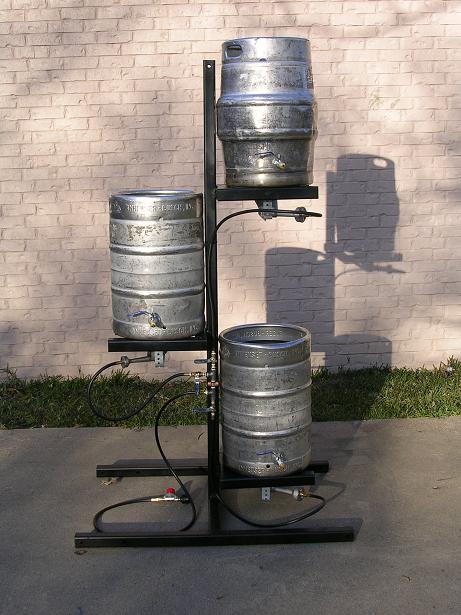
Brew Sculpture
Tuesday, January 20, 2009
Sanitization
-Stay under 110F (equally effective regardless of water temp as long as withing working range), work for 3 min.
Bottling
-hold caps in Star San while bottling
Thursday, January 15, 2009
Getting excited for the Imperial Porter on Sunday
...but we shall see.
Friday, January 9, 2009
Stainless Steel
refer to the fermentation podcast to hopefully hear about how to bring back that oxidized layer.
Do use Warm water, PBW, and little white scrubbies like the ones on morebeer.com
Late Hopping
With this technique comes the question of using whole leaf or pellet hops. Petersen uses a false bottom in his boil kettle and was able to use whole hops for his experiment. His concern was that a large amount of pellet hops might clog his counter-flow chiller. However, using whole hops results in a very large mass that can make it difficult to extract the wort at the end of the boil.
The majority of brewers I spoke with use pellet hops for this technique. Pellets break up quickly and expose the alpha acids for isomerization. Brynildson says, "I would always select pellets for late/whirlpool hopping."
Sousa suggests increasing the wort volume in the boil kettle. "You’ll lose some of your wort to the large amount of hops in the kettle," he said. "Increase your batch size an extra quart per five gallons to compensate."
Brewing Process (in Construction)
-Bring the grains out to rest at room temperature one day before BREWDAY
CHILLING
The basic setup is that you put the immersion chiller in the boil pot with 15 minutes remaining in the boil. Connect the pump to the kettle spigot (out) with a length of tubing. From the pump output it goes through a hunk (about 2 feet) of the silicon tubing that B3 sells with their systems. This hunk of tubing is attached to a piece of copper tubing with a hose clamp. The tubing has a gentle curve to it and goes underneath the surface of the wort, just inside the coils of the immersion chiller. Although the pump is clean, and has been pumping 170F+ water for the past hour during the sparge, I turn it on for a few minutes to recirculate the wort through it and heat sanitize the setup. When the boil is complete, turn on the pump and the chiller water. The temp drops more than 100F in 3 minutes, using one of the beefy, B3 Super Chillers. It is 50' of 1/2" copper, which is a huge amount of surface area. The rest of the drop (another 50F or so) takes longer. Watch the thermometer until the temperature is where you want it for pitching, then turn off the water and the pump to let everything settle for 20 minutes. This allows me to rack clear wort to the fermenter and leave all the trub behind in the kettle. If you don't care about it settling, you can just run it off at that point.
There are many advantages to this technique. The first is that you're cooling the entire wort below 140F in about a minute or two. Below 140F you're not going to keep generating DMS like you will with a plate chiller or counter flow chiller. If you're into clean german lagers, this is a critical factor in success with this style. The other huge advantage is leaving the cold break behind. With a counter flow chiller or plate chiller you're sending all that cold break into the fermenter and you're going to need to get rid of it if you want the best lager possible. With the whirlpool chiller, the trub forms a nice cone in the kettle and you can leave it behind when you transfer to your fermenter.
After chiller has cooled wort to desired pitching temp, turn off the water and the pump to let everything settle for 20 minutes. This allows for racking clear wort to the fermenter and leave all the trub behind in the kettle. If you don't care about it settling, you can just run it off at that point.
Courtesy of Mr._Malty
Keg Despensing
longer line = more pressure to compensate for lost pressure over the length
Each keg with a different style beer needs separate regulator
higher volume
PA @ 2.5 Volume (cross-reference PSI vs Temp = Volume) Here will be a link for this spreadsheet
LINE DIAMETER
smaller diam. = better pressure
Sold by the foot. 3/16" is the best size for most beer lines under 9' in length. Ideally, 5' provides the correct restriction for serving beer in the 8-14 psi range.
morebeer.com Beverage_Line_3_16_ID_-_By_the_Foot @ $0.55
Cornie Keg Dispenser
morebeer.com CO2_Injector_Ball_Lock @ $21.95
Kegging
Ball Valve connectors x 1 gas
Ball Valve connectors x 1 beer
keg post O-Rings (spares) loof for cracks etc.
co2 line
beer line? can I use the one I have ....need to look.
ADVANTAGES:
-less to clean (1 keg vs. 48 bottles)
-can select amount of pressure (carbonation) with regulator
TIPS:
-spray starsan on everything
-when an o-ring is replaced, replace the other one as well
-inspect often (gas can leak from poor o-ring condition and lose all of the gas over one night)
-look in to KEG WASHER
-Lube Keg when equipment is warm
-BLC Beer line Cleaner (caustic cleaner)
-can naturally carbonate by adding sugar directly to the keg
-pin lock or ball lock? Ball lock is more available.
PROCESS:
connect, run to 10-15 psi to check for leaks and then release some pressure.
Thursday, January 8, 2009
Hops, Hops, and MORE Hops!
PicoBrewery
Hops Garden Pics
Hops Garden Pics
Back to Ask the Brewmaster.
Question: : How do I grow hops?
Answer: Growing hops can be a fun way to get outdoors this summer. With a couple of plants, you can grow all the hops your homebrew will need. In the meantime, they'll be a pleasant herbal addition to your back yard. To see what you're in for, check out my hop garden at: http://www.picobrewery.com/hopgardn.html.Hops grow from root cuttings known as rhizomes. They are perennial, so once they get started, they'll come back year after year. You can buy rhizomes at the shop, or you can get them mail order. Hop plants have distinct male or female characteristics. Hop cones, the part that is used in brewing, only come from the female plants. Whenever you buy rhizomes, you can rest assured that they are female. Unless you come across some native hop plants, male plants are generally only found at agricultural breeding facilities. Commercial hop growers (and homebrewers) generally don't want the hop cones to be fertilized, so the males are rooted out. The first thing to do is plan out your growing space. Hop plants are tall climbing vines. They'll need a tall trellis to be able to do their thing. Plan on allowing sixteen feet upwards at least, and 20 feet if room is available. The plants will need to be spaced about 5 feet apart. I've discovered that my garden, with plants at three-foot intervals, suffers from root competition. Also, with time, the rhizomes start to spread laterally. If they are too close together, they can get mixed up, so you won't know which is which. Before you plant, you should build your trellis. Hops like lots of sun, so pick a place accordingly. The easiest thing to do is use a tall south-facing wall and put up some stringer-hooks, like they did at the shop. Craig Corley built his trellis using his garage as a base. I didn't have a good south wall, so I built a free-standing frame out of sixteen-foot 2 x 4's. The vines climb up strings, which I secure with hooks. I arranged the strings so that at harvest time, I can lower the vines down. Hops like soil that is fairly light and well-drained. Typically, making some small hills help with the drainage. They also need plenty of fertilizer. Garden-variety potting soil works pretty good.The next thing to do is select the type of rhizome you want. The modern American hybrids such as Cascade and Nugget tend to grow the best in Southern California. I haven't had much luck with the traditional English or German varieties. I suspect part of the reason is that they came from more northerly latitudes, where the summer days are longer. For variety, I recommend that you select a mix of bittering and a flavoring hops. One plant will produce all you need of a given type for a year, so use your space for variety, rather than quantity. The time to plant is now. Rhizomes naturally send up fresh shoots in March. Make sure the soil is well spaded. Dig a hole a bit deeper than the length of the rhizome. When you get your rhizomes, look for the white growths. These will be the shoots, so point these up. Gently pack soil around the rhizome, so that the shoots are about an inch below ground. Keep the soil well moistened for the first month or two. The roots are fairly fragile for a while, so they are prone to dryness. For well-established plants, hops will reach a few feet tall by April. Make sure the shoots find a string to climb on. They'll continue to spiral upward as long as the strings are close to vertical. In May, they rocket upwards several inches in a day! They tend to reach the top of the trellis in June. About that time, they start producing cones. A healthy vibrant plant will produce some cones the first year. However, many do not, so don't be disappointed if your first year is a bust. The cones will be ripe in July and August. By September, they'll be done, and starting to pull back for winter. The energy in the vines gets sucked back into the rhizome, so leave the dying vines intact until the stems are fully dried and brittle.In their second year, the rhizomes tend to send out large number of shoots. For best yield, you want to cut most of these off, leaving about four to eight shoots per rhizome. This will allow the plant to focus its energy into cone production. A modest yield will be half a pound. A strong producer will yield well over a pound. Assuming your plants do well, you'll have to harvest, dry and package the cones. You'll also have to estimate their bittering content. I'll cover that in an article later this summer.
Wednesday, January 7, 2009
The "GOOD MORNING" Holiday Mead Foul
Generous Matt Spencer had created Mead a few years back, and handed them out to friends during the holiday party at the Isenburgs. I remember requesting one that was carbonated and being told to let it age for a bit. During this time, we (my brother Nick and I) had been refinishing the bedroom that Nick would later be bedding in. During this renovation period (extended I might add) Nick had been sleeping on the floor in a sleeping bag in the living room as I recall. I imagine it was one morning in the middle of January I seem to remember waking up to Nick in the other room with some foul language and confusion. Apparently, the Mead had been tired of waiting to be enjoyed and decided to create some excitement itself by popping the cork, shooting across the room, and blasting my brother in the face. This was followed by a nice spray of mead from the kitchen to my brother in the living room.
I must say, it was no fun to clean but it's a great story!
Tuesday, January 6, 2009
Carl's Vanilla Porter
anyways, Mybad!
Sorry Guys.
Tuesday, December 23, 2008
MENDOCINO WINTER SEASONAL – IMPERIAL IPA
I would give this an A
http://www.mendobrew.com/company/pr/pr_40.html
MENDOCINO WINTER SEASONAL – IMPERIAL IPA RELEASED
November 25, 2008 -- Mendocino Brewing Company announces the launch of its Limited Edition Winter Seasonal.
This Limited Edition Imperial IPA has been delicately crafted for those crisp cool days when the skies are resplendent and the air glistens with the slow fall of a million flakes, when nature gets ready to turn her thermostat way down and your desire for something warm and enthusing is almost a primal urge.Our robust, full bodied IPA is brewed with massive amounts of hops and paired with a rich blend of luscious malts. The result is a perfect balance of heady hop flavor and aroma. At 7.5% Alc. By Vol. this India Pale Ale is the perfect winter seasonal!
Mendocino Brewing Company is a pioneer in the American Craft Brewing Renaissance and has for over 25 years been brewing a range of ales that makes California proud. To herald the coming seasons you can expect coming your way a Spring Bock in the months to come.
Date of Introduction: November 25, 2008
Style: Handcrafted India Pale Ale
Alc/Vol: 7.5%
Bell's Two Hearted Ale
India Pale Ale style well suited for Hemingway-esque trips to the Upper Peninsula. American malts and enormous hop additions give this beer a crisp finish and incredible floral hop aroma.
Original Gravity: 1.058
Alc. by Vol.: 7.0% - 210 cal. per 12oz.
Avail. Pkgs.: 4/6/12 oz. bottles (case), 15.5 gal. keg, 5 liter (1.32) gal. mini keg
Dates Available: Year Round
Sunday, December 21, 2008
Leland's American Stout #1
IPA Recipe
Lighting IPA
Created by Tapmeister on Mar 24 2007
Makes 5.00 gallons
Style Group: India Pale Ale (Ipa)
Style Type: Imperial Ipa
Prediction Attributes: SG_i-1.09691 SG_f-1.02303 ABV-10 IBU-96 SRM-12
Ingredients
Water Supplement Schedule
1.00 teaspoon(s) Calcium Sulfate (Gypsum)
Mash Schedule
6.00 lbs Caramel 40L
16.00 lbs 2-Row Brewers Malt
Hop Schedule
2.00 ozs Centennial - Whole (30 minute steep)
2.00 ozs Chinook - Whole (60 minute steep)
2.00 ozs Centennial - Whole (30 minute steep)
Other
Yeast: Super High Gravity Ale Yeast
Irish Moss
Priming Sugar: 1 cup malt
Instructions
Combine mash grains with 7.15 gallons water.
Perform an protein rest at 128 degrees for 30 minutes using infusion.
Perform an saccharification rest at 152 degrees for 45 minutes using infusion.
Mashout at 175 degrees using direct_heat.
Sparge with 4.06 gallons of water.
Run off 6.48 gallons of wort.
Current volume should be around 6.48 gallons.
Add hops per hop schedule.
Add Irish Moss as appropriate.
Total boil time is 1.00 hour(s) at which time the volume will be around 6.23 gallons.
Cool wort and transfer 5.5 gallons to fermentor.
Pitch yeast.
When fermentation is complete, prime and bottle.
This recipe provided by Tapmeister.com
Friday, December 19, 2008
Thursday, December 18, 2008
Stainless....maybe it is possible and affordable?
FCAW - Flux Cored Arc Welding-Mig Welding
Flux is contained within the electrode. It provides shielding, deoxidization & arc stabilization. Additional shielding may be added. A smoke suction nozzle around the gun or fume hood aids in reduction of smoke & fumes. Aufhauser flux cored stainless steel wire is formulated to provide all position welding & smooth, stable arc action.
http://www.hobartwelders.com/products/wirefeed/handler140/
http://www.harborfreight.com/cpi/ctaf/Category.taf?f=bylogo&logourl=ChicagoW.gif&brand=Chicago%20Electric%20Welding%20Systems
White Labs
is a world leader in fermentation sciences for the brewing and winemaking industries. We manufacture liquid yeast for professional and amateur ...
Wednesday, December 17, 2008
Australian Taxation on Brew
Had Murrays Craft Brewing Co. on HBN podcasts
recipe from BREWMASTER Sean with Murray's
India Black Ale
(hoppy but black)
23 Liter batch (5 gal)
72-75% brewhouse efficiency
mash water with calcium chloride, chalk (maybe play with water)??
(using british and german malts)
6 kilos marasota pale malt
1/2 german wine and pale wheat malt
1/2 wine and vienna malt
400 grams cara hill
400 grams british crystal 145
150 grams forsets black malt
150 grams forsets chocolate malt
________
20 grams new zealand cascade
20 grams pacific haltal mash hop
27 grams super alpha 60 min add (bittering hop) boiling for 90 min now
25 grams pacific haltal
25 cascade
@ flymount
50 haltale
60 cascade
dry hopping 30 grams each at about 3 days
london ale wyeast 1028
pitching around 20-21^
mash around 67^
lack IPA
A ProMash Recipe Report
Recipe Specifics
----------------
Batch Size (Gal): 5.81 Wort Size (Gal): 5.81
Total Grain (Lbs): 17.42
Anticipated OG: 1.0784 Plato: 18.97
Anticipated SRM: 29.5
Anticipated IBU: 72.7
Brewhouse Efficiency: 70 %
Wort Boil Time: 90 Minutes
Grain/Extract/Sugar
% Amount Name Origin Potential SRM
-----------------------------------------------------------------------------
75.9 13.23 lbs. Pale Malt(2-row) Great Britain 1.0380 3
6.3 1.10 lbs. Vienna Malt Germany 1.0370 3
6.3 1.10 lbs. Wheat Malt Germany 1.0390 2
5.1 0.88 lbs. Carahell Malt Germany 1.0340 12
2.5 0.44 lbs. Crystal 145L 1.0330 145
1.9 0.33 lbs. Black Patent Malt Great Britain 1.0270 525
1.9 0.33 lbs. Chocolate Malt Great Britain 1.0340 475
Hops
Amount Name Form Alpha IBU Boil Time
-----------------------------------------------------------------------------
0.71 oz. NZ Cascade Pellet 7.00 14.1 Mash H
0.71 oz. Pacifica- Pacific Hallertau Pellet 5.50 11.1 Mash H
0.95 oz. Super Alpha Pellet 11.00 42.8 90 min.
0.88 oz. Pacifica- Pacific Hallertau Pellet 5.50 4.8 15 min.
2.12 oz. NZ Cascade Pellet 7.00 0.0 0 min.
1.76 oz. Pacifica- Pacific Hallertau Pellet 5.50 0.0 0 min.
1.06 oz. NZ Cascade Pellet 7.00 0.0 Dry Hop
1.06 oz. Pacifica- Pacific Hallertau Pellet 5.50 0.0 Dry Hop
Yeast
-----
WYeast 1028 London Ale
Water Profile
-------------
Brewer states gypsum, chalk, and lactic acid added to adjust pH/mineral content
Mash Schedule
-------------
Mash Type: Single Step
Saccharification Rest Temp : 152 Time: 60
New Brew Supplies!
2.5 cases of cap ready bottles
4x5 gallon carboys
capper
hydrometer
floating thermometer
cost = one 6 pack from the first 5 brews. Now you just can't beat that!
Thanks Marlin! We will put this to good use.


CO2 tanks
it might make sense to think that the cost to fill a 5 lb tank would be twice as much as a 2.5 lb tank, and to fill a 10 lb tank would be twice as much as filling a 5 lb tank, and so forth
but it turns out that at welding supply shops, the cost to fill a tank that is larger is usually only a few dollars more than for a tank half its size.
these costs are off the top of my head, but at a welding supply shop, the prices were like this:
2.5# - 8 dollars
5# - 10 dollars
10# - 12 dollars
20# - 13 dollars
50# - 15 dollars
so to fill a 50 lb tank, was less than twice the cost of a 2.5 lb tank, yet you get 20 times as much co2.
the '#' sign and lb are interchangable, and the '#' is stamped on the tanks.
when i say 'fill' i actually mean swap for most places. what this means is you take in your empty tank, and swap it for a full tank for the cost of the fill. you will lose your pretty new tank if you do this, but i bought all my tanks used anyway.
also, if you didn't know, the tanks need to be hydrostatically tested at least every five years. this means the tank is filled with water to a certain pressure, and the integrity of the tank is measured (i believe they measure the expansion of the tank and contraction of the tank during and after the water to see the durability of the tank) plus they look for micro cracks that can develop around the valve.
what this means to you though, is if you find a tank used (and i recommend you do! such as on craigslist or ebay - but check for shipping costs), always ask for the most current test date. if it is longer than five years, or close to five years, expect to pay for a hydrotest, and deduct that from what you are willing to pay for the tank. just so you know i bought almost all of my tanks for 20 dollars, and they were all out of test (i have a 50 lb, 3 x 20 lb, 2.5 lb, and used to have a 5 lb). so to get a full tank within test, cost me about 50-60 dollars a tank.
hope this helps!
Tuesday, December 16, 2008
Burners
great deal if you can build your own
PILOT BURNER, BRASS,FOR JET
CODE: KECAP002
Price:$5.35
Model: PBUR-05
1-3/16" LONG.
JET BURNER, CASTIRON, 8" NAT. GAS
CODE: KECABJ004
Price:$26.70
Model: BUR-08
WITH 20 COPPER JET TIPS AND 150,000 BTU.
agrisupply
Bidgway
23 tip jet burner to build sculpture with
Amazon 23 tip jet burner to build sculpture with
$76.79
23 tip jet burner to build sculpture with (nat. Gas, but can convert to propane with regulator)
$22.95
Able Kitchen 23 tip jet burner to build sculpture with $77.63
BREWING Directions
Check List
Verify equipment and ingredients
2
Boil
Boil water. You will need at least a gallon of sterile water for a variety of small tasks. Start by boiling about 1 gallon of water for 10 minutes and let it cool, covered, to room temperature.
3
Clean and Sanitize
Clean and sanitize. It may seem strange to the first-time brewer, but probably the most important thing in brewing is good cleaning and sanitization. Clean all equipment that will be used during the brew with a mild, unscented dish detergent, making sure to rinse well. Some equipment will need to be sanitized for use after the boiling stage. You can easily make a simple sanitizing solution by filling the fermentor bucket with 5 gallons of water and adding 5 tablespoons of chlorine bleach (a concentration equivalent to 1 TBS/gallon, or 4 ml/L). Soak all items that need to be sanitized in this bucket for 20 minutes. After soaking, dump the sanitizing solution and pour in some of the pre-boiled water for a quick rinse to remove any excess sanitizer. Place the small spoon and the thermometer in the yeast starter jar and cover it with plastic wrap. Cover the fermentor with the lid to keep it clean. (See Chapter 2- Preparations, for more info,)
4
Wort
1.5 hours
Boil the brew water. In the brewpot, bring 2 gallons of water to a boil. Pour this water into the fermentor and leave it to cool. Now bring 3 gallons of water to boil in the brewpot. You will be boiling all of the extract in just 3 gallons and adding this concentrated wort to the water already in the fermentor to make the total 5 gallons. (See Chapter - Water for Extract Brewing, for more info.)
5
Rehydrate the dried yeast. Although many people skip this step with fair results, re-hydrating it assures the best results. While you are waiting for the brew water to boil, rehydrate two packets of dried ale yeast. Put 1 cup of warm (95-105°F, 35-40°C), preboiled water into your sanitized jar and stir in the yeast. Cover with plastic wrap and wait 15
Dry Hopping
-Fill HOP SACK w/ pellets vs fresh and drop SACK w/ S.S. weights = to the weight of the pellets in to the beer.
*Remember - no COPPER after FERMENTATION

Wednesday, December 10, 2008
March Pump Acronyms
Magnetic Drive Pumps
893
Small Centrifugal magnetic drive pumps with DC motors.
AC
Centrifugal magnetic drive recirculation pumps for a range of OEM applications.
EMD
Small centrifugal magnetic drive recirculation pumps
HTP
Small regenerative turbine magnetic drive pumps manufactured from Ryton.
LC
Centrifugal magnetic drive pumps with encapsulated motors.
MDX
Centrifugal magnetic drive recirculation pumps for a range of OEM applications.
MMP
Multistage magnetic drive pumps for mild liquid manufactured from acetal.
MS
Multistage magnetic drive pumps for aggressive liquids manufactured from polypropylene.
MSP
Multistage magnetic drive pumps for mild liquids manufactured from polypropylene.
PCM
Magnetically driven chemical transfer pumps manufactured from machined plastic ATEX rated.
PTM
Regenerative turbine magnetic drive pumps manufactured from pp or PVDF (ATEX certified).
PW
High volume centrifugal magnetic drive pumps.
SDM
ATEX certified centrifugal magnetic drive pumps manufactured from stainless steel.
STM
Regenerative turbine magnetic drive pumps manufactured from stainless steel and ATEX certified.
TE
A comprehensive range of centrifugal magnetic drive chemical transfer pumps.
Vertical Pumps AS Industrial centrifugal column pumps.Penguin Seal-less centrifugal pumps.VSP Multistage centrifugal pumps for OEMs.VTP Turbine pumps for OEMs. Tank/Pump Systems ABF Condensate removal tank/pumps.CC Condensate removal tank/pumps.HC Hot condensate removal tank/pumps.Low boy Low profile condensate removal tank/pumps.TCP-25 Condensate removal tank/pumps.
Local Brew Shops
KS
OVERLAND PARK
HOMEBREW PRO SHOPPE
913-768-1090
2061 E. Santa Fe
Olathe, KS 66062
KS
SHAWNEE
BACCHUS & BARLEYCORN, LTD
913-962-2501
6633 Nieman Rd., Shawnee, KS 66203
Tuesday, December 9, 2008
Stainless ....Too much work!
Couplings
HFC-35-NSF SeriesHigh flow polysulfone. Higher temperature and pressure quick disconnect with 3/8" flow path for minimal pressure drop. Hose barb ends for 3/8", 1/2" and 3/4" tubing.
3/8" Flow
Body Materials: Polysulfone (-40°F to 280°F)
Maximum pressure: 125 PSI
Body Configuration: Pipe Thread, Bulkhead Panel Mount, In-Line
Insert Configuration: Pipe Thread, In-Line, Elbow
O-Ring Options: Food Grade EPDM
Series HFC-35-NSF Specifications
14802 W. 117th Street Olathe, KS
Telephone 913.829.5900
Monday, December 8, 2008
Is it possible to weld ??
http://www.brewingtechniques.com/library/backissues/issue2.5/donaghue.html
Wednesday, December 3, 2008
Common Plumbing Terms/Abbreviations
FIPS: Threads on the inside of fitting
MIPS: Threads on the outside of fitting
WOG: Water, Oil, Gas rated
NPT: National Pipe Thread
Thursday, November 20, 2008
Monday, November 17, 2008
Cool Gadgets
In Line Filter
Pond Pump Cooler
Ever Changin Tap Handles
Tuesday, October 21, 2008
O'Toole's Brewpub Scoring Review
weight score (5*) comments
Squatters, SLC
beer 50% 4.5 Well balanced if a little light on the grain for both the porter and pale. Pale had a very nice flowery finish
food 30% 5 Great fish and chips, other food looked exceptional (delicious looking yellow curry, grass fed burgers, good looking salads and home made mac&cheese) provisional 5 'till I try 'em again.
ergonomics 10% 3 Busy, crowded, not too dark not too light
staff 10% 4 Young and friendly
patrons 10% 4 Diverse from curry-eating skaters to burger eating golfers
weighted 97
Chama River, Albuquerque
beer 50% 5 Textbook examples across the board, nothing surprising but each glass was a precise representation of the style
food 30% 3 Meh, nothing to complain about but completely lacking excitement. Good, just boring
ergonomics 10% 2 Crowded, too clean and pressed for it's own good. Most pretentious brewpub I've ever been to. As a fancy restaurant it's a 4.5, as a brewpub it's a 2.
staff 10% 3 They know they're at the nicest restaurant in town, do you?
patrons 10% 1 They're there to look good.
weighted 80
Free State Brewing, Lawrence
beer 50% 5 Delicious and creative without losing substance for the sake of one note. Good beer.
food 30% 4.5 Try the specials
ergonomics 10% 3 Loud to extra loud, crowded to "my god it's crowded"
staff 10% 4 Knowledgeable about menu and beer, usually quick, sometimes cute.
patrons 10% 5 yeah.
weighted 101
Power Plant Brewing, RIP
beer 50% 4 Good pale, specials are hit and miss
food 30% 3 Good effort in the menu design, spotty execution by the staff.
ergonomics 10% 4 Loud to extra loud, empty to "my god it's empty", would score lower without the deck.
staff 10% 3 1 good barkeep at a time does not a staff make.
patrons 10% 5 yeah.
weighted 82
Trailhead Brewing, St. Louis (St. Charles)
beer 50% 2 Brewpub starter kit stuff, unimpressive but not undrinkable
food 30% 4 Good portions, standard fare.
ergonomics 10% 3 Pleasant enough, kitsche from a kit feels more authentic than most.
staff 10% 2 Way overburdened by our big group on a slow weeknight.
patrons 10% 3 Didn't register either way,
weighted 60
Gluek's, Minneappolis
beer 50% 4 Well executed if leaning slightly towards a mass-production mildness
food 30% 4 Fun menu without being deliberately eccentric, good stuff for a bar kitchen.
ergonomics 10% 4 A nice "beer hall" feel to things, comfortable.
staff 10% 4 Nice enough, attentive and they know their beer
patrons 10% 4 Good mix of young urbanites and happy-hour downtown workers.
weighted 88
* note on the 5 scale: 1 - offensive, 2 - not good, 3 - "meh, ok", 4 - noticeably good, 5 - exceptionally good
Thursday, October 16, 2008

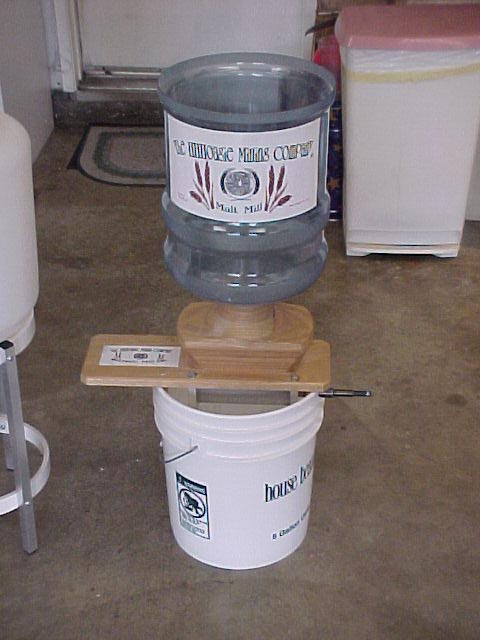

Wednesday, October 8, 2008
1st Event Proposal - " The Birth"
You kids are reasonably smart...
Winter is approaching...
My supply is dwindling...
Who wants to start homebrewing? I know Leland has expressed an interest, and I know Keith has done it in the past. I've got a few brews under my belt (in more ways than one), but I'm still relatively newbish.
With the strong-ales fest at the power plant only a memory, somebody's gonna have to make all of those barleywines!
- James
On Tue, Oct 7, 2008 at 6:48 PM, Keith :
You had me at "barleywine"
got any good recipes?
...more importantly, who has what apparatus? I decided my aluminum pot and kitchen stove had to go before I tried again (the stove actually had good output, but would prefer something not in the wifes kitchen). I haven't found a 5/6gal stainless steel pot that was in my pricerange yet, though I have seen a few high output propane burners that were reasonable (usually attached to aluminum turkey pots). My most valuable input would be one good carboy (or two, now I don't remember) and an immersion wort chiller. If anyone has a line on cheap stainless steel I'm all ears.
On Tue, Oct 7, 2008 at 7:40 PM, Leland :
As James pointed out, I am certainly in. I was planning on a reasonable investment this fall, so if there is a particular toy that would benefit us all, speak up....
I (of course) will be attempting an IPA.
On Tue, Oct 7, 2008 at 8:17 PM, James :
An IPA to start out with would probably be a good thing - if people are excited about doing a barleywine, I'm all in - my keggletun (part of a goofy Australian allgrain method) will only hold 20lbs of grain, unfortunately, so I'd have to do some tweaking of my recipe to get it to work. We'd also have to wait six months before it would be aged long enough to be good.
Leland, I think, is interested in going all-grain immediately, which is both commendable and insane.
Come to think of it, it would be pretty interesting for one of us to start with a simple in-kitchen stovetop extract setup (investment of about 150 bucks), while Leland goes ballsout with a traditional allgrain setup, and I continue with my all-in-one keggleton brew-in-a-bag method.
morebeer has some good stuff, no matter what your initial investment might need to be. I can answer most beginner's questions, so shoot if you have any.
Time to start saving bottles!
On Wed, Oct 8, 2008 at 8:38 AM, Jeremiah :
Since I haven't ever actually invested any time towards research, I would be interested in being the "extra wheel". Keep me informed, I will just observe this year and I am more interested in documenting your hairbrained idears.
On Wed, Oct 8, 2008 at 9:48 AM, Matt :
I have several carboys and some other gear, but would all need a good cleaning as it has sat unused for a few years. I was contemplating brewing a new mead batch to commemorate the year.
On Wed, Oct 8, 2008 at 10:05 AM, James :
mmmmm mead.
if people are interested in contributing gear to others to get them started quicker, and save some dough, then maybe we should list the stuff that we have extra.
I've got:
3 gallon enameled pot for small extract batches
(I did my first batches in this - it works fine)
1 plastic fermentor bucket
(I've since moved to an all-glass setup)
probably some odds and ends.
On Wed, Oct 8, 2008 at 10:17 AM, Carl :
Should someone with a lot of space volunteer to host this chemistry experiment?
Then everybody can just bring all their stuff and see what's available to work with?
On Wed, Oct 8, 2008 at 10:22 AM, Matt :
I could host some brews, but it would be a few weeks before I have the space available for storage.
On Wed, Oct 8, 2008 at 12:32 PM, James
Once we all get going, it would be awesome to do a multi-brew-day where we all make a batch at once.
Goes well with chili and a cold day. Everybody should probably get a few brews down before something like that happens, though.
On Wed, Oct 8, 2008 at 12:36 PM, Leland :
I was actually thinking that we could do something like that during
the event I sent the invite for in early November.
Everybody interested could put together a batch.
There is space out on my deck, and if its to cold outside the shop can
be cleaned for brewing.
On Wed, Oct 8, 2008 at 12:42 PM, Matt :
Perhaps I missed that invite. None the less, sounds like an excellent plan. As a bonus, one of my sales girls is going home to Hungary this month and promised to return with some of her father's schnapps recipes. We will see how that pans out.
Nevermind leland, I just got the invite.
On Wed, Oct 8, 2008 at 12:43 PM, Jeremiah :
Can we be in agreement that there will be no glass bombs detonated on the tablesaw? Because I would have to count myself out if that were the case!
On Wed, Oct 8, 2008 at 12:45 PM, Matt :
With the bulk we are speaking off, perhaps we should just crank up the temp on leland's water heater.