
-- Sent from my Palm Pre

| #011 CYBI Deschutes Mirror Pond |
| American Pale Ale |
Type: All Grain | Date: 11/23/2010 | ||||||||||||||||||||||||||||||||||||||||||||||||
Batch Size: 10.00 gal | Brewer: J | ||||||||||||||||||||||||||||||||||||||||||||||||
| Boil Size: 9.73 gal | Asst Brewer: Can You Brew It | ||||||||||||||||||||||||||||||||||||||||||||||||
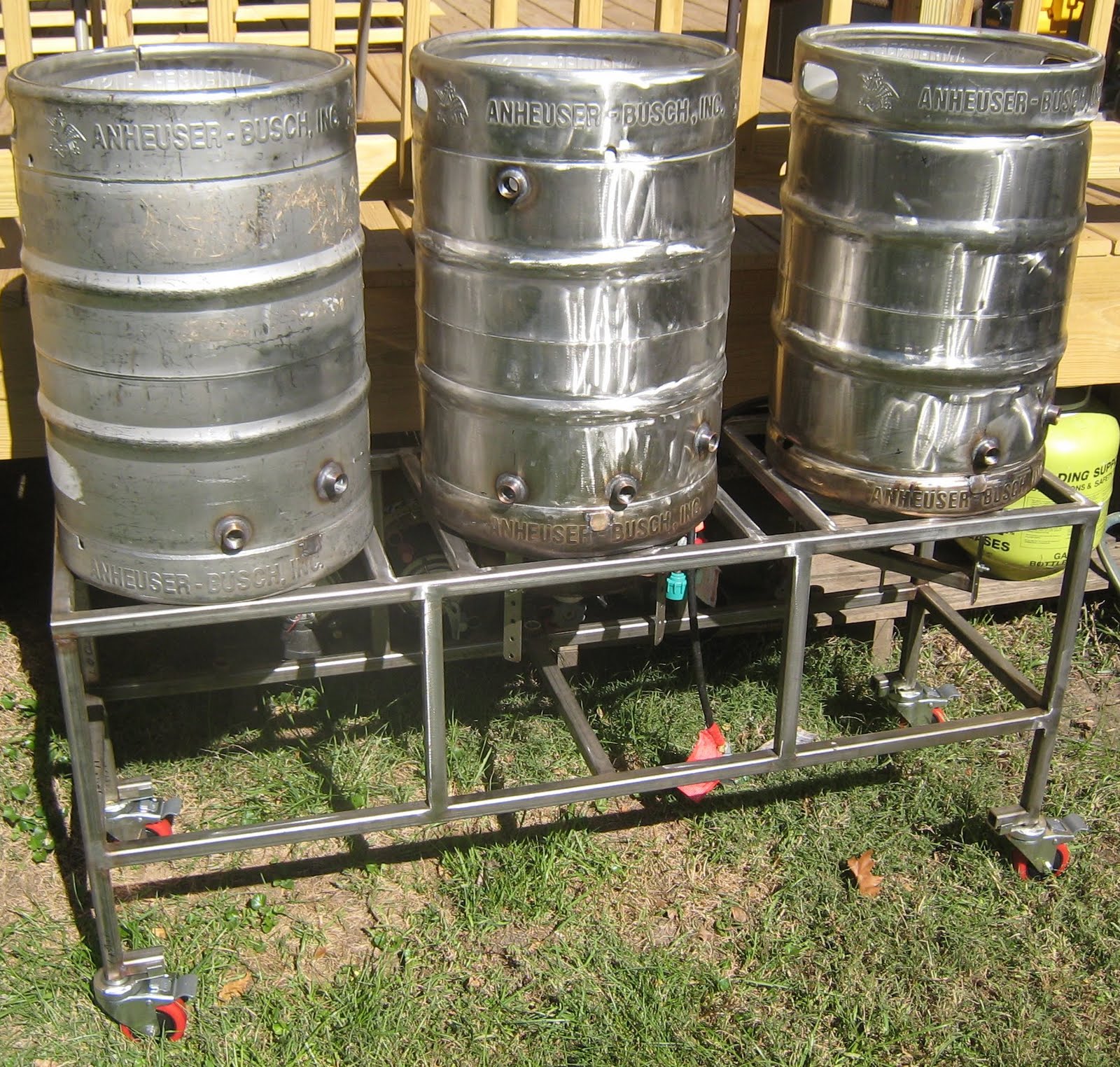
| Boil Time: 90 min | Equipment: J's (15 Gal) Single Tier | ||||||||||||||||||||||||||||||||||||||||||||||||
| Taste Rating(out of 50): 0.0 | Brewhouse Efficiency: 70.00 | ||||||||||||||||||||||||||||||||||||||||||||||||
| Taste Notes: The base malt is specifically Great Western Pale Ale Malt, which was noted to have a large impact on the flavor. | |||||||||||||||||||||||||||||||||||||||||||||||||
Ingredients | |||||||||||||||||||||||||||||||||||||||||||||||||
| |||||||||||||||||||||||||||||||||||||||||||||||||
Beer Profile | |||||||||||||||||||||||||||||||||||||||||||||||||
Est Original Gravity: 1.066 SG | Measured Original Gravity: 1.078 SG | ||||||||||||||||||||||||||||||||||||||||||||||||
| Est Final Gravity: 1.020 SG | Measured Final Gravity: 1.020 SG | ||||||||||||||||||||||||||||||||||||||||||||||||
| Estimated Alcohol by Vol: 6.09 % | Actual Alcohol by Vol: 7.59 % | ||||||||||||||||||||||||||||||||||||||||||||||||
| Bitterness: 39.3 IBU | Calories: 358 cal/pint | ||||||||||||||||||||||||||||||||||||||||||||||||
| Est Color: 11.7 SRM | Color:
| ||||||||||||||||||||||||||||||||||||||||||||||||
Mash Profile | |||||||||||||||||||||||||||||||||||||||||||||||||
| Mash Name: Single Infusion, Medium Body | Total Grain Weight: 26.22 lb | ||||||||||||||||||||||||||||||||||||||||||||||||
| Sparge Water: 0.54 gal | Grain Temperature: 72.0 F | ||||||||||||||||||||||||||||||||||||||||||||||||
| Sparge Temperature: 168.0 F | TunTemperature: 72.0 F | ||||||||||||||||||||||||||||||||||||||||||||||||
| Adjust Temp for Equipment: FALSE | Mash PH: 5.4 PH | ||||||||||||||||||||||||||||||||||||||||||||||||
| |||||||||||||||||||||||||||||||||||||||||||||||||
| Mash Notes: Simple single infusion mash for use with most modern well modified grains (about 95% of the time). | |||||||||||||||||||||||||||||||||||||||||||||||||
Carbonation and Storage | |||||||||||||||||||||||||||||||||||||||||||||||||
| Carbonation Type: Kegged (Forced CO2) | Volumes of CO2: 2.4 | ||||||||||||||||||||||||||||||||||||||||||||||||
| Pressure/Weight: 21.7 PSI | Carbonation Used: - | ||||||||||||||||||||||||||||||||||||||||||||||||
| Keg/Bottling Temperature: 60.1 F | Age for: 28.0 days | ||||||||||||||||||||||||||||||||||||||||||||||||
| Storage Temperature: 52.0 F | |||||||||||||||||||||||||||||||||||||||||||||||||
Notes | |||||||||||||||||||||||||||||||||||||||||||||||||
| 2010.12.18 -Sample for annual Hattaway xmas party 2010.12.12 -Keg and carbonate 2010.12.05 @ 72° -add dry hop addition 2010.12.04 @ 71 2010.12.03 @ 70° 2010.11.30 @ 69° 2010.11.29 @ 68° 2010.11.28 @ 67° 2010.11.27 @ 65° -added starsan to airlock in smaller batch carboy after noticing no bubbles for 2 days (oops, not enough starsan) = issue resolved (cross fingers for no infections) 2010.11.25 @ 65° -yeast pitched I had difficulty with the new set up and I played with "ramping" the temp up with the new herms and ended up adding 2 hrs to the mash process. It started and sustained around 130° for two hours before I could get it to climb. I had issue with the grain bed becoming compacted I guess and the pumps couldn't get any wort moving. Next time rice hulls are a must but I am concerned about disturbing the bed during the process with the mash paddle. I think a msah tun snorkel might be a nice touch (j/k). I'm adding 1lb of Bisuit to compensate for not being able to source "Great Western Pale ALE Malt" Gypsum (a little bit hard) (I failed to add the Gypsum) Aim for 1.013 "the dryer the better" CYBI: (not cloned) suggested fermentation temp 60-65F This is based on the rebrew which was deemed "cloned." All recipes are (unless otherwise specified): 6 gallons post-boil, 70% efficiency, Morey for color, 15% evaporation, 7.27 gallons preboil, Rager IBU, and most hops are in grams not ounces. Most, if not all recipes are primary only (no secondary). If you brew this, please reply with your results for discussion. OG 1053 42 IBU 90 min boil 5.23kg Pale Ale Malt 400g crystal 75 90g carapils 28g cascade 6%AA at 85m 28g cascade at 30m 28g cascade at 5m 28g cascade at 0 21g cascade dry hop WLP002 Mash at 149F Add gypsum Ferment at 65F, raising to 72F after 4 days Discussion notes: The base malt is specifically Great Western Pale Ale Malt, which was noted to have a large impact on the flavor. | |||||||||||||||||||||||||||||||||||||||||||||||||
Created with BeerSmith | |||||||||||||||||||||||||||||||||||||||||||||||||
IMG_6574.JPG
These pictures were sent with Picasa, from Google.
Try it out here: http://picasa.google.com/

IMG_0905.CR2
These pictures were sent with Picasa, from Google.
Try it out here: http://picasa.google.com/
| |||||||||||||||||||||||||||||||||||||||||||||||||||||||||
| |||||||||||||||||||||||||||||||||||||||||||||||||||||||||
| |||||||||||||||||||||||||||||||||||||||||||||||||||||||||
| | |||||||||||||||||||||||||||||||||||||||||||||||||||||||||
| |||||||||||||||||||||||||||||||||||||||||||||||||||||||||
| | |||||||||||||||||||||||||||||||||||||||||||||||||||||||||
| |||||||||||||||||||||||||||||||||||||||||||||||||||||||||
| | |||||||||||||||||||||||||||||||||||||||||||||||||||||||||
| |||||||||||||||||||||||||||||||||||||||||||||||||||||||||
| | |||||||||||||||||||||||||||||||||||||||||||||||||||||||||
| |||||||||||||||||||||||||||||||||||||||||||||||||||||||||
| | |||||||||||||||||||||||||||||||||||||||||||||||||||||||||
| |||||||||||||||||||||||||||||||||||||||||||||||||||||||||
 | |||||||||||||||||||||||||||||||||||||||||||||||||||||||||
| | |||||||||||||||||||||||||||||||||||||||||||||||||||||||||
| |||||||||||||||||||||||||||||||||||||||||||||||||||||||||
| | |||||||||||||||||||||||||||||||||||||||||||||||||||||||||
| |||||||||||||||||||||||||||||||||||||||||||||||||||||||||
| | |||||||||||||||||||||||||||||||||||||||||||||||||||||||||


Brewing fruit beer is not for everyone, but a properly balanced fruit beer can be light and refreshing on a hot summer day. This is part one of our two part series on brewing fruit beer. Beers that include fruit vary widely in taste, style and strength. Whatever the style, a properly balanced fruit beer should not betray the underlying beer – fruit beer is beer with a touch of fruit flavor and not a wine cooler!
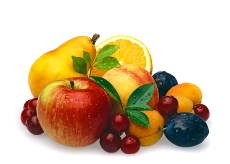
According to Randy Mosher's Radical Brewing book, fruit beer is a relatively modern invention of the 20th century. He notes that ancient Egyptians referred to the use of dates and pomegranates, but only a few passing references can be found for fruit in intervening years until the 1930's. Many of the most famous Belgian fruit beers like Kriek started at that time, with Framboise to follow 20 years later.
Fruit beers, like many styles, have enjoyed a resurgence with the microbrewery explosion the last 20 years in the United States. Wheat based fruit beers, in particular, have become popular enough to even be adopted by major US breweries.
Many of these beers contain no actual fruit. Instead they brew a light wheat beer and add artificial fruit flavorings to provide a touch of fruit. Home brewers can do the same thing by purchasing fruit flavoring from a homebrew supply shop and adding an appropriate amount to their beers. Some commercial brews also use fruit extract. This works well for fruits like raspberry and apricots that maintain their flavor after fermentation.
Some fruits fair much better in beer than others. Fruits like uncooked blueberry and peach tend to lost much of their flavor when used in beer. Others like apricot and raspberry hold up well, while cherries fare well but often require extensive aging.
Here are a few popular fruits to consider for fruit beer:
Hopefully you now have some idea of which fruits are better to use in your fruit beer. I find that apricots and raspberries produce some of the finest results. In part two of this article next week we will cover the finer points of designing a fruit beer recipe and the physical process of brewing and aging your fruit beer. Thanks for joining us on the BeerSmith Home Brewing Blog and don't hesitate to subscribe or tweet this article if you enjoyed it.
Similar Posts:


