Thursday, September 23, 2010
2010 Founders Nemesis

Thursday, September 9, 2010

Saturday, September 4, 2010
Saturday, August 28, 2010
Cider Attempt #1: nothing complicated with 1 gallon
Thursday, August 26, 2010
2010.08.26_Founder's Canadian Breakfast Stout @ Flying Saucer
Friday, August 20, 2010
Sunday, August 15, 2010
Saturday, August 14, 2010
The Best Ginger Beer out there!

IMG_0905.CR2
These pictures were sent with Picasa, from Google.
Try it out here: http://picasa.google.com/
Wednesday, August 11, 2010
My Brew Stand
Count Down:
LCT316-100 Low cost digital timer, 115 VAC supply voltage. Same Day $45.00
http://www.dwyer-inst.com/Products/Product.cfm?Group_ID=20087&Product_ID=1508&sPageNa me=Intro
Temp Displays:
TI-10 Temperature indicator, 110 VAC power supply, °F display. Same Day $32.25
http://www.dwyer-inst.com/Products/Product.cfm?Group_ID=623&Product_ID=1013&sPageName =Intro
Tuesday, August 10, 2010

Saturday, August 7, 2010
Prepped pumps and other equipment for the next Brew day!
Friday, July 30, 2010
Aphrodite @ Saucer
Friday, July 23, 2010

Tuesday, July 6, 2010
How to Build a Layered Drink
| |||||||||||||||||||||||||||||||||||||||||||||||||||||||||
| |||||||||||||||||||||||||||||||||||||||||||||||||||||||||
| |||||||||||||||||||||||||||||||||||||||||||||||||||||||||
| | |||||||||||||||||||||||||||||||||||||||||||||||||||||||||
| |||||||||||||||||||||||||||||||||||||||||||||||||||||||||
| | |||||||||||||||||||||||||||||||||||||||||||||||||||||||||
| |||||||||||||||||||||||||||||||||||||||||||||||||||||||||
| | |||||||||||||||||||||||||||||||||||||||||||||||||||||||||
| |||||||||||||||||||||||||||||||||||||||||||||||||||||||||
| | |||||||||||||||||||||||||||||||||||||||||||||||||||||||||
| |||||||||||||||||||||||||||||||||||||||||||||||||||||||||
| | |||||||||||||||||||||||||||||||||||||||||||||||||||||||||
| |||||||||||||||||||||||||||||||||||||||||||||||||||||||||
 | |||||||||||||||||||||||||||||||||||||||||||||||||||||||||
| | |||||||||||||||||||||||||||||||||||||||||||||||||||||||||
| |||||||||||||||||||||||||||||||||||||||||||||||||||||||||
| | |||||||||||||||||||||||||||||||||||||||||||||||||||||||||
| |||||||||||||||||||||||||||||||||||||||||||||||||||||||||
| | |||||||||||||||||||||||||||||||||||||||||||||||||||||||||


Friday, June 25, 2010
RIMS CONSTRUCTION
tri clover rims tube built
relatively-inexpensive-tri-clover-rims-tube-
Tri-Clover-Fittings supplies
Copper RIMS Heat Exchanger Build
Pid controller build for electric brewingl
love-vs-pid-fermentation-temp-control-143937
2P-Twent-E: the new Brouwerij Boerderij Kabouter
nice "easy to follow" wiring diagram
Ditches... a Thing of Beauty
DITCHES
SSR - Solid State Relay
Monday, June 21, 2010
Friday, June 18, 2010
Tuesday, June 15, 2010

Sunday, June 13, 2010

Thursday, June 10, 2010
Alpha King Pale Ale : THREE FLOYDS BREWING CO.

Wednesday, June 9, 2010

Friday, June 4, 2010
Korean Crack

If you enjoy cream and sugar in your coffee and happen to work in an office which provides black tar to drink; I highly recommend it. It may be double the price here in KC at my local Korean market on 103rd, but at 17.99 per bag of 100 it's not a bad way to get your instant fix.
Thursday, June 3, 2010
STONE Levitation Ale Recipe

I am very impressed at how balanced this beer is.
A - Poured this beer into a glass, copper brown red ale. Held a nice head that hung in there till the end.
S - A hoppy aroma that carried a nice malt backbone.
T - The smell and taste are well matched with this beer. A great introduction to STONE
M - Great body for a Red, I'm still impressed with how smooth and clean this beer is.
D - I would consider this a nice year around option. Big enough flavor for winter and light enough alcohol for summer (4.4% ABV).
I found this: Stone Levitation Ale Clone Recipe
Friday, May 21, 2010
Goodies from Beertopia (Omaha, NE)

Next door to Beertopia was CRESCENT MOON, they sold me quickly when the Ken & Fritz's 30th Anniversary Stout was on tap @ $4.50 per 8oz. pour.
I left them with 16 oz. less ;)
-Weyerbacher will be new to me, it was highly recommended
-Hopluia was awesome on tap, beautiful aroma, enough to even get the Mrs. to enjoy an IPA.
-Lucket Bucket was around during the Parkville Microfest if I recall correctly, and I am looking forward to their new offering being an IPA fan myself
-The Hitachino was a purchase by the Mrs., a gift for a friend (owl lover) and the second because we haven't had the Sweet Stout and I love the bottles for packaging later with home recipes.
-Banana Bread Beer, by Young's, it may be offered around town but never noticed it. Sounded interesting and tasty.
I must admit, I wish I had grabbed many more Hopluias. A great beer that I didn't recognize ever before. I happened to buy it at a HyVee (remarkable selection for a HyVee) around 84th and Dodge the day before tasting it for the first time. It was the only think I grabbed during that stop because I knew beertopia was still a visit to be had.
I'll report later on these, but for know, I'll see ya tomorrow at the KCBEERFEST.

Wednesday, May 5, 2010
Monday, May 3, 2010
Airgas CO2 tanks
$13-15? for 5lb refill
$143 for 20lb tank purchase
Saturday, May 1, 2010
Thursday, April 15, 2010
Wednesday, April 14, 2010
Saturday, April 3, 2010
Brewing Fruit Beers at Home Part 1 of 2
Sent to you by J via Google Reader:
Brewing fruit beer is not for everyone, but a properly balanced fruit beer can be light and refreshing on a hot summer day. This is part one of our two part series on brewing fruit beer. Beers that include fruit vary widely in taste, style and strength. Whatever the style, a properly balanced fruit beer should not betray the underlying beer – fruit beer is beer with a touch of fruit flavor and not a wine cooler!
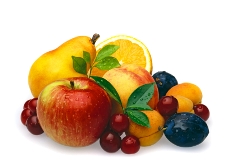
History
According to Randy Mosher's Radical Brewing book, fruit beer is a relatively modern invention of the 20th century. He notes that ancient Egyptians referred to the use of dates and pomegranates, but only a few passing references can be found for fruit in intervening years until the 1930's. Many of the most famous Belgian fruit beers like Kriek started at that time, with Framboise to follow 20 years later.
Fruit beers, like many styles, have enjoyed a resurgence with the microbrewery explosion the last 20 years in the United States. Wheat based fruit beers, in particular, have become popular enough to even be adopted by major US breweries.
Many of these beers contain no actual fruit. Instead they brew a light wheat beer and add artificial fruit flavorings to provide a touch of fruit. Home brewers can do the same thing by purchasing fruit flavoring from a homebrew supply shop and adding an appropriate amount to their beers. Some commercial brews also use fruit extract. This works well for fruits like raspberry and apricots that maintain their flavor after fermentation.
Fruit to Use in Beer
Some fruits fair much better in beer than others. Fruits like uncooked blueberry and peach tend to lost much of their flavor when used in beer. Others like apricot and raspberry hold up well, while cherries fare well but often require extensive aging.
Here are a few popular fruits to consider for fruit beer:
- Cherries – Traditionally used in many Belgian beers. Ripe, sour cherries are best as they blend well with the malt flavors. Generally a lot of cherry is needed, as much as 2-4 lbs per gallon of beer, which is why many cherry based Belgian beers are expensive. Also, cherry beers sometimes need extensive aging.
- Peaches – Peach is one fruit that fades when used in beer. Apricot is a good substitute that creates a flavor similar to peach in the finished beer. Peach flavoring is also a possibility if you are determined to have peach.
- Blueberry – Another fruit that does not hold up well in beer. Some brewers claim that cooked blueberry holds up better than uncooked.
- Raspberry – Raspberry is one of the best fruits to use with beer. The flavor and aroma hold up well to fermentation, and come through well in the finished beer. The flavor is strong even at a rate of 0.5-1 lb per gallon, making raspberry a favorite of commercial beer brewers.
- Blackberry – Blackberry, like raspberry, is another great fruit to use in beer. However, they do not come through as intensely as raspberry, requiring a larger usage rate of 1-3+ pounds per gallon. The color also carries over well to the finished beer.
- Strawberries – Strawberry is generally a poor choice. The flavor, aroma and color fade quickly. If you are going to use strawberry you need fully ripe berries, must use a lot of them (2-5 lb per gallon) and you must drink the beer as young as possible as the flavor and aroma will be gone before you know it.
- Apricots – Much better than peaches, but produce a peach like flavor in the finished beer. If you want peach flavor, use apricots at a rate of 1.5-4 pounds per gallon. Apricot extract also produces good results.
- Apples – Produce only a mild flavoring. Generally apples are best used with meads and hard cider as they tend to be acidic in flavor.
- Other Fruits – A variety of other fruits are less commonly used in beers and meads to include pears, dates, bananas, plums, mangos, pomegranate, etc… Most of these fruits produce only a mild flavor and aroma, though they add considerable fermentable sugars. I've had some success with passionfruit and mangos, which both have strong aroma and flavor.
Hopefully you now have some idea of which fruits are better to use in your fruit beer. I find that apricots and raspberries produce some of the finest results. In part two of this article next week we will cover the finer points of designing a fruit beer recipe and the physical process of brewing and aging your fruit beer. Thanks for joining us on the BeerSmith Home Brewing Blog and don't hesitate to subscribe or tweet this article if you enjoyed it.
Similar Posts:
- Seasonal Beer Brewing
- Russian Imperial Stout Recipes
- Wheat Beer Recipes: Weizen and Weisse Styles
- Brewing Hops Storage: Preserving Precious Hops
- Malt Extract Beer Brewing


Things you can do from here:
- Subscribe to BeerSmith Home Brewing Blog using Google Reader
- Get started using Google Reader to easily keep up with all your favorite sites
Monday, March 29, 2010
Big Sky @ Flying Saucer
Tuesday, March 23, 2010
Krausening Home Brewed Beer
Sent to you by J via Google Reader:
Krausening is a traditional German method for carbonating beers without using sugars or other adjuncts. Instead actively fermenting malt wort is added to the fermented beer to provide the malted sugars needed for carbonation.
The History of Krausening
Since sugars were not allowed in beer, malt wort was used instead. Krausening was widely used in Germany particularly for lagers. Many lagers are cold fermented and aged, often causing the yeast to go dormant. By adding actively fermenting wort for carbonation the lager could be properly carbonated. Krausening was less commonly used in Kolsch or Alt, as these ales were fermented at warmer temperatures leaving active yeast.
Krausening
In a brewery, krausening would be done with fresh wort taken from the most recent batch made. For the homebrewer, Krausening is most often done with a small amount of wort made from dry malt extract. Alternately you can use a fresh batch of wort or keep some wort in a sterile container in the refrigerator from your last batch.
A key question is how much wort to use for proper carbonation? A good rule of thumb is that you should add enough wort to raise the gravity of the beer three points. For simplicty you can try the following formula from the Home Brewing Wiki:
Quarts_of_wort = (12 x Gallons_of_beer) / ((Specific_gravity_wort – 1.0) * 1000)
For example, if the krausening addition of wort (also called gyle) has a specific gravity of 1.060, and we're krausening 5 gallons of beer, the result would be (12 x 5)/((1.060-1)*1000) which works out to exactly one quart of wort we add at bottling.
Traditionally, the krausening addition is added at the most active point of fermentation. Ideally you should add yeast to your krausen and monitor it for active fermentation, but try to catch it before a lot of the malt sugars have been consumed. You need to measure the specific gravity of the krausening addition and do the above calculation before adding it to the wort to get the appropriate amount.
After you add the krausening wort, you can bottle or keg your beer and naturally carbonate it just as you would if you were with sugar carbonation. Store your beer in a cool, dark place for a week or two to allow it to carbonate and then lager or age as desired.
Krausening is a great way to add some variety to your beer brewing techniques, and assure that your beer is made from pure barley malt. Thanks again for joining us on the BeerSmith Home Brewing Blog. Please subscribe or retweet this article if you enjoyed it! Have a great brewing week!
- Tweet This!
- Share this on Facebook
- Stumble upon something good? Share it on StumbleUpon
- Email this to a friend?
- Digg this!
- Buzz up!
- Share this on Mixx
- Share this on del.icio.us
- Share this on Reddit
- Add this to Google Bookmarks
- Submit this story to Propeller
- Post this to MySpace
- Subscribe to the comments for this post?
- Share this on Linkedin
- Mashing for All Grain Beer Brewing
- Bottling Beer: 10 Tips for Home Brewers
- Making a Yeast Starter for your Home Brew Beer
- 5 Home Brewing Tips to Avoid the Dreaded Bottle Bomb
- Brewhouse Efficiency for All Grain Beer Brewing


Things you can do from here:
- Subscribe to BeerSmith Home Brewing Blog using Google Reader
- Get started using Google Reader to easily keep up with all your favorite sites