Thursday, April 15, 2010

Wednesday, April 14, 2010
Saturday, April 3, 2010
Brewing Fruit Beers at Home Part 1 of 2
Sent to you by J via Google Reader:
via BeerSmith Home Brewing Blog by Brad Smith on 4/2/10
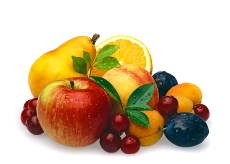
Brewing fruit beer is not for everyone, but a properly balanced fruit beer can be light and refreshing on a hot summer day. This is part one of our two part series on brewing fruit beer. Beers that include fruit vary widely in taste, style and strength. Whatever the style, a properly balanced fruit beer should not betray the underlying beer – fruit beer is beer with a touch of fruit flavor and not a wine cooler!
History
According to Randy Mosher's Radical Brewing book, fruit beer is a relatively modern invention of the 20th century. He notes that ancient Egyptians referred to the use of dates and pomegranates, but only a few passing references can be found for fruit in intervening years until the 1930's. Many of the most famous Belgian fruit beers like Kriek started at that time, with Framboise to follow 20 years later.
Fruit beers, like many styles, have enjoyed a resurgence with the microbrewery explosion the last 20 years in the United States. Wheat based fruit beers, in particular, have become popular enough to even be adopted by major US breweries.
Many of these beers contain no actual fruit. Instead they brew a light wheat beer and add artificial fruit flavorings to provide a touch of fruit. Home brewers can do the same thing by purchasing fruit flavoring from a homebrew supply shop and adding an appropriate amount to their beers. Some commercial brews also use fruit extract. This works well for fruits like raspberry and apricots that maintain their flavor after fermentation.
Fruit to Use in Beer
Some fruits fair much better in beer than others. Fruits like uncooked blueberry and peach tend to lost much of their flavor when used in beer. Others like apricot and raspberry hold up well, while cherries fare well but often require extensive aging.
Here are a few popular fruits to consider for fruit beer:
- Cherries – Traditionally used in many Belgian beers. Ripe, sour cherries are best as they blend well with the malt flavors. Generally a lot of cherry is needed, as much as 2-4 lbs per gallon of beer, which is why many cherry based Belgian beers are expensive. Also, cherry beers sometimes need extensive aging.
- Peaches – Peach is one fruit that fades when used in beer. Apricot is a good substitute that creates a flavor similar to peach in the finished beer. Peach flavoring is also a possibility if you are determined to have peach.
- Blueberry – Another fruit that does not hold up well in beer. Some brewers claim that cooked blueberry holds up better than uncooked.
- Raspberry – Raspberry is one of the best fruits to use with beer. The flavor and aroma hold up well to fermentation, and come through well in the finished beer. The flavor is strong even at a rate of 0.5-1 lb per gallon, making raspberry a favorite of commercial beer brewers.
- Blackberry – Blackberry, like raspberry, is another great fruit to use in beer. However, they do not come through as intensely as raspberry, requiring a larger usage rate of 1-3+ pounds per gallon. The color also carries over well to the finished beer.
- Strawberries – Strawberry is generally a poor choice. The flavor, aroma and color fade quickly. If you are going to use strawberry you need fully ripe berries, must use a lot of them (2-5 lb per gallon) and you must drink the beer as young as possible as the flavor and aroma will be gone before you know it.
- Apricots – Much better than peaches, but produce a peach like flavor in the finished beer. If you want peach flavor, use apricots at a rate of 1.5-4 pounds per gallon. Apricot extract also produces good results.
- Apples – Produce only a mild flavoring. Generally apples are best used with meads and hard cider as they tend to be acidic in flavor.
- Other Fruits – A variety of other fruits are less commonly used in beers and meads to include pears, dates, bananas, plums, mangos, pomegranate, etc… Most of these fruits produce only a mild flavor and aroma, though they add considerable fermentable sugars. I've had some success with passionfruit and mangos, which both have strong aroma and flavor.
Hopefully you now have some idea of which fruits are better to use in your fruit beer. I find that apricots and raspberries produce some of the finest results. In part two of this article next week we will cover the finer points of designing a fruit beer recipe and the physical process of brewing and aging your fruit beer. Thanks for joining us on the BeerSmith Home Brewing Blog and don't hesitate to subscribe or tweet this article if you enjoyed it.
Similar Posts:
- Seasonal Beer Brewing
- Russian Imperial Stout Recipes
- Wheat Beer Recipes: Weizen and Weisse Styles
- Brewing Hops Storage: Preserving Precious Hops
- Malt Extract Beer Brewing


Things you can do from here:
- Subscribe to BeerSmith Home Brewing Blog using Google Reader
- Get started using Google Reader to easily keep up with all your favorite sites
Monday, March 29, 2010
Big Sky @ Flying Saucer
Big Sky Stone Thrower Scotch Ale & Big Sky Cowboy Coffee Porter
The Scotch Ale was good, drinkable but nothing outstanding for me (although I love their beer in general). With that said I was blown away by the coffee porter, beautiful pour with sexy lacing trimmed with a darker hugh above the tan dance around the glass. A dark coffee smell with malt backbone followed by a smooth creamy porter taste. I loved this beer and can't wait for another opportunity to drink this fine brew. Perhaps during Freestate's official glass night at FS will be the prime time (if any is left in the 6th keg).
Tuesday, March 23, 2010
Krausening Home Brewed Beer
Sent to you by J via Google Reader:
via BeerSmith Home Brewing Blog by Brad Smith on 3/22/10
Krausening is a traditional German method for carbonating beers without using sugars or other adjuncts. Instead actively fermenting malt wort is added to the fermented beer to provide the malted sugars needed for carbonation.
The History of Krausening
Since sugars were not allowed in beer, malt wort was used instead. Krausening was widely used in Germany particularly for lagers. Many lagers are cold fermented and aged, often causing the yeast to go dormant. By adding actively fermenting wort for carbonation the lager could be properly carbonated. Krausening was less commonly used in Kolsch or Alt, as these ales were fermented at warmer temperatures leaving active yeast.
Krausening
In a brewery, krausening would be done with fresh wort taken from the most recent batch made. For the homebrewer, Krausening is most often done with a small amount of wort made from dry malt extract. Alternately you can use a fresh batch of wort or keep some wort in a sterile container in the refrigerator from your last batch.
A key question is how much wort to use for proper carbonation? A good rule of thumb is that you should add enough wort to raise the gravity of the beer three points. For simplicty you can try the following formula from the Home Brewing Wiki:
Quarts_of_wort = (12 x Gallons_of_beer) / ((Specific_gravity_wort – 1.0) * 1000)
For example, if the krausening addition of wort (also called gyle) has a specific gravity of 1.060, and we're krausening 5 gallons of beer, the result would be (12 x 5)/((1.060-1)*1000) which works out to exactly one quart of wort we add at bottling.
Traditionally, the krausening addition is added at the most active point of fermentation. Ideally you should add yeast to your krausen and monitor it for active fermentation, but try to catch it before a lot of the malt sugars have been consumed. You need to measure the specific gravity of the krausening addition and do the above calculation before adding it to the wort to get the appropriate amount.
After you add the krausening wort, you can bottle or keg your beer and naturally carbonate it just as you would if you were with sugar carbonation. Store your beer in a cool, dark place for a week or two to allow it to carbonate and then lager or age as desired.
Krausening is a great way to add some variety to your beer brewing techniques, and assure that your beer is made from pure barley malt. Thanks again for joining us on the BeerSmith Home Brewing Blog. Please subscribe or retweet this article if you enjoyed it! Have a great brewing week!
- Tweet This!
- Share this on Facebook
- Stumble upon something good? Share it on StumbleUpon
- Email this to a friend?
- Digg this!
- Buzz up!
- Share this on Mixx
- Share this on del.icio.us
- Share this on Reddit
- Add this to Google Bookmarks
- Submit this story to Propeller
- Post this to MySpace
- Subscribe to the comments for this post?
- Share this on Linkedin
- Mashing for All Grain Beer Brewing
- Bottling Beer: 10 Tips for Home Brewers
- Making a Yeast Starter for your Home Brew Beer
- 5 Home Brewing Tips to Avoid the Dreaded Bottle Bomb
- Brewhouse Efficiency for All Grain Beer Brewing


Things you can do from here:
- Subscribe to BeerSmith Home Brewing Blog using Google Reader
- Get started using Google Reader to easily keep up with all your favorite sites
Monday, March 22, 2010
Monday, March 15, 2010
Pale Belgian Sugar Experiment Tasting
Sent to you by J via Google Reader:
via The Mad Fermentationist by madfermentationist@gmail.com (The Mad Fermentationist (Mike)) on 3/10/10
Probably the most debated question among homebrewers when the topic of brewing pale Belgian beer (Belgian Blonde, Strong Golden, Tripel etc...) comes up is which sugar to use. These beers don't need a characterful sugar (like a Dubbel of Belgian Strong Dark), just something easily fermentable to boost the alcohol while leaving a light body. For years the answer was clear candi rocks, since it was assumed that these were the most authentic. Then a few years back Brew Like a Monk came out, with the suggestion that those rocks were just overpriced sucrose, changing the answer to table sugar (cheap sucrose). Then Dark Candi started selling clear candi syrup, the same stuff Orval (along with many others Belgian breweries) uses... and what about corn sugar? Is sugar really necessary anyway? These were the questions I set out to answer for myself a few months ago on a wintery December day. I split one 5 gallon batch of 100% pils wort between the main sugary contenders, including one gallon with no sugar at all. Two weeks later each batch was primed with the same experimental sugar (the no sugar got light DME) and bottled. Last night I finally had the chance to sit down to do a full, blind tasting, to see what results I could tease out of my experiment.
As expected the five batches were very similar, so I'll forgo a full review of each to focus on the flavor and aromatic differences. All of the batches had an identical golden-yellow/orange body with a nice white head with moderate-poor retention (I poured from left to right in the picture, so the first two are a bit less heady). They were all crystal clear as well, so the sugar had no influence on the appearance. The aromas shared a similar bready/pils malt character and the flavors had just a hint of hop bitterness. All finished plenty dry within .001 of 1.006 (certainly within the margin of error for my hydrometer reading skills), and none of them came across as more boozy or alcoholic than the rest.

Table Sugar: The most apple character, a bit more sulfur/yeasty, and the spice is more toward pepper. The sulfur has mellowed from when this batch was young when it was clearly different from the rest.
No Sugar: Brighter, the spice comes across as clove, the flavor also had a bit of less-fermented "worty" character. The hops also came across a bit more than the rest, maybe a testament to the lower alcohol or milder fermentation.
Clear Candi Rocks: This one is the only one that was a bit over-carbonated. It comes across with a softer/rounder character though, and it also has a nice pepper zip.
Clear Candi Syrup: The cleanest/mildest of the bunch, no real defining characteristic (although it certainly still had a distinct Belgian yeast character).
Corn Sugar: Another clean/mild one like the syrup, except for a bit of extra clove (second only to the plain).
I would like to emphasize that the flavors/aromas of these batches were all very close (say 95%) and I had to let them come up close to room temperature to get some of these differences. I think most of these differences could not be detected unless you were trying them side-by-side.
The most surprising result was that I picked out the table sugar (for whatever reason) as the most appley, a shock as I have long been a doubter of the so-called "cider" character some people claim cane sugar gives. It also was the only one that showed some signs of sulfur when it was first in the bottle a few months back.
I found it interesting that both the beers with sucrose (table and candi rocks) came across with a spice character of pepper while the no-sugar and corn sugar leaned more towards the clove. Not sure what this indicates, but it may be that 3787 (Westmalle strain) has different byproducts when it ferments sucrose.
I also found it interesting that I didn't notice much body/alcohol difference between the no sugar batch and the other four with sugar, although I did pick it out as being wortier. This is a testament to the fact that all of these sugars are easily fermented by Saccharomyces and left nearly identical final gravities, with just alcohol as a byproduct.
In the end my take away from this was that the difference between these different clear/white sugars when brewing a beer this clean is probably similar to the difference between using two pilsner malts from different maltsters. That is to say something that you might play with when really trying to dial in a beer, but not something you need to to worry about the first time brewing a recipe. While these beers did have slight differences, they were so slight that I really didn't have a preference for any above the rest.
I'll be running the five samples by more people in the future to get a broader sampling of what people can taste as the difference between these sugars.


Things you can do from here:
- Subscribe to The Mad Fermentationist using Google Reader
- Get started using Google Reader to easily keep up with all your favorite sites
Sunday, March 7, 2010
Keg & Carboy Washer
Link to this post:
http://www.google.com/buzz/100715899480021903694/TVajpbbdQPc/The-Dirty-Side-of-Homebrewing
9:05 am Amy Satterlund: The Dirty Side of Homebrewing
Sunday, February 28, 2010
Batch #8 Bottling Session


IMG_5310.JPG
IMG_5312.JPG
IMG_5315.JPG
IMG_5323.JPG
These pictures were sent with Picasa, from Google.
Try it out here: http://picasa.google.com/
Wednesday, February 24, 2010
Rims system BYO

-- Sent from my Palm Pre
Tuesday, February 23, 2010
The Chemist's War
Looks like a good read, I'll post now and read later...
The little-told story of how the U.S. government poisoned alcohol during Prohibition with deadly consequences.
http://www.slate.com/id/2245188/
The little-told story of how the U.S. government poisoned alcohol during Prohibition with deadly consequences.
http://www.slate.com/id/2245188/
Monday, February 22, 2010
Hopefully I am not left standing here asking "RYE, RYE, RYE?"

I loved this beer during the Bluepoint luncheon when served @ cask strength. I understand this to be a release with 60% Cask and 30% Blend.
bottles
#3015/12148
#3016/12148
#3017/12148
I have had conversations which lead me to believe that the Bourbon Barrel Quad (BBQ) had good and bad batches. Some are over-cherried (sadly after pouring half a dozen glasses for guests at a party of the holidays I found one abandoned due to their being better beers available at the time), others are heavy with Bourbon (the way most of us were expecting it after the early 2009 release and what caused me to begin my relationship with GREAT beer ). So apparently the batches are a hit and miss. A little birdy mentioned a possible issue with yeast at some point with the cherries and I am going to sit on that as my explanation. It's a great recipe, but like anything, it's about the process. On the high side, I'm sure it's like winning a little lottery when you get that nice bottle of BBQ on a calm night with friends! So far I'm 0 for 2 out of 9, I guess I will have to keep scrathing those tickets.
Tuesday, February 16, 2010
2010.02.07_OATMEAL STOUT TRANSFER

Sunday, January 24, 2010


Saturday, January 23, 2010
Brewday, batch #8 : Oak Aged Cocoa Nibbed Oatmeal Stout
 |
| #008 Oaked & Nibbed Oatmeal Stout |
| Specialty Beer |
Type: All Grain | Date: 1/23/2010 | ||||||||||||||||||||||||||||||||||||||||||||||||||||||||||||
Batch Size: 10.00 gal | Brewer: Jeremiah | ||||||||||||||||||||||||||||||||||||||||||||||||||||||||||||
| Boil Size: 13.20 gal | Asst Brewer: | ||||||||||||||||||||||||||||||||||||||||||||||||||||||||||||
| Boil Time: 90 min | Equipment: JEREMIAH's BREWERY - 6 gallon batch | ||||||||||||||||||||||||||||||||||||||||||||||||||||||||||||
| Taste Rating(out of 50): 35.0 | Brewhouse Efficiency: 72.00 | ||||||||||||||||||||||||||||||||||||||||||||||||||||||||||||
| Taste Notes: definately worth a re-brew | |||||||||||||||||||||||||||||||||||||||||||||||||||||||||||||
Ingredients | |||||||||||||||||||||||||||||||||||||||||||||||||||||||||||||
| |||||||||||||||||||||||||||||||||||||||||||||||||||||||||||||
Beer Profile | |||||||||||||||||||||||||||||||||||||||||||||||||||||||||||||
Est Original Gravity: 1.064 SG | Measured Original Gravity: 1.050 SG | ||||||||||||||||||||||||||||||||||||||||||||||||||||||||||||
| Est Final Gravity: 1.015 SG | Measured Final Gravity: 1.010 SG | ||||||||||||||||||||||||||||||||||||||||||||||||||||||||||||
| Estimated Alcohol by Vol: 6.33 % | Actual Alcohol by Vol: 5.21 % | ||||||||||||||||||||||||||||||||||||||||||||||||||||||||||||
| Bitterness: 52.3 IBU | Calories: 220 cal/pint | ||||||||||||||||||||||||||||||||||||||||||||||||||||||||||||
| Est Color: 35.0 SRM | Color:
| ||||||||||||||||||||||||||||||||||||||||||||||||||||||||||||
Mash Profile | |||||||||||||||||||||||||||||||||||||||||||||||||||||||||||||
| Mash Name: ** J's Mash ** | Total Grain Weight: 24.17 lb | ||||||||||||||||||||||||||||||||||||||||||||||||||||||||||||
| Sparge Water: 9.95 gal | Grain Temperature: 72.0 F | ||||||||||||||||||||||||||||||||||||||||||||||||||||||||||||
| Sparge Temperature: 168.0 F | TunTemperature: 72.0 F | ||||||||||||||||||||||||||||||||||||||||||||||||||||||||||||
| Adjust Temp for Equipment: FALSE | Mash PH: 5.4 PH | ||||||||||||||||||||||||||||||||||||||||||||||||||||||||||||
| |||||||||||||||||||||||||||||||||||||||||||||||||||||||||||||
| Mash Notes: | |||||||||||||||||||||||||||||||||||||||||||||||||||||||||||||
Carbonation and Storage | |||||||||||||||||||||||||||||||||||||||||||||||||||||||||||||
| Carbonation Type: Kegged (Forced CO2) | Volumes of CO2: 2.4 | ||||||||||||||||||||||||||||||||||||||||||||||||||||||||||||
| Pressure/Weight: 21.6 PSI | Carbonation Used: - | ||||||||||||||||||||||||||||||||||||||||||||||||||||||||||||
| Keg/Bottling Temperature: 60.0 F | Age for: 21.0 days | ||||||||||||||||||||||||||||||||||||||||||||||||||||||||||||
| Storage Temperature: 52.0 F | |||||||||||||||||||||||||||||||||||||||||||||||||||||||||||||
Notes | |||||||||||||||||||||||||||||||||||||||||||||||||||||||||||||
| Brew Day Notes Half of grain bill matches (from morebeer w/ kit) and the other half is modified from Bacchus generic morebeer recommended water PH = 6.0-6.5 Cocao Nibs from Whole Foods ($10.99 for 6 oz.) Kettle to Demijon became stuck and it was necessary to swig vodka and blow to clear tub (3 attempts) aged 4oz. Am. Med. Oak Cubes in 12oz Makers Mark Bourbon in beer bottle during fermentation process (2 weeks) bottling yielded 4.5 gallons ea. (after tapping approx 22 oz of each during keg transfer) Tasting Notes 2010.02.07 Beer tasted great, transferred from kegs to oak (failed to sanitize the outside of tubing) 2010.02.26 up until 4AM bottling beer, carried a bit too much of the bitterness from the cocao nibs, try 3 oz next time | |||||||||||||||||||||||||||||||||||||||||||||||||||||||||||||
Created with BeerSmith | |||||||||||||||||||||||||||||||||||||||||||||||||||||||||||||
Friday, January 22, 2010
Tuesday, January 19, 2010
Sunday, January 17, 2010
Hop Plugger
I found this and think this may be something of interest for 2010's harvest.
Smoked Goosinator Doppelbock - 2007
A - The cork on this one is a tough cookie to say the least. Had to break out the pliers. Not much of a pop when the cork comes out. Pours a nice dark amber / chestnut with an off white head topping out at just under one inch. It sticks around for a minute or two before receding to a thin cap. An decent amount of lace is left behind in the glass.
S - No doubt about what kind of beer this is. Starts out with a heavy smokey aroma followed by a touch of charcoal. Gets a little sweeter midway to end. Mostly towards the end though. Notes of caramel and toffee try to push through to give some idea of balance. This one is just too heavy on the smoke to let that happen. Alcohol is not evident in the smell.
T - Smoke dominates the flavor at first. Once that fades some dark fruit comes through and does reach at least a semblance of balance. Some of the malty bock flavors come in on the backside. Deep caramel malt and maybe a bit of cocoa. Alcohol is barely noticeable in the flavor.
M - Medium bodied with a nice level of carbonation. Finish is dry and smokey with a light level of sweetness. Smooth overall.
D - Drinkability is good. The large smoke profile was almost too much but as the layers of this beer peel away the complexity starts to show. Eventually the smoke starts to really work. Alcohol is hidden well which helps the drinkability. Compared to other smoke brews this one is pretty good. Glad I got the chance to try it.
S - No doubt about what kind of beer this is. Starts out with a heavy smokey aroma followed by a touch of charcoal. Gets a little sweeter midway to end. Mostly towards the end though. Notes of caramel and toffee try to push through to give some idea of balance. This one is just too heavy on the smoke to let that happen. Alcohol is not evident in the smell.
T - Smoke dominates the flavor at first. Once that fades some dark fruit comes through and does reach at least a semblance of balance. Some of the malty bock flavors come in on the backside. Deep caramel malt and maybe a bit of cocoa. Alcohol is barely noticeable in the flavor.
M - Medium bodied with a nice level of carbonation. Finish is dry and smokey with a light level of sweetness. Smooth overall.
D - Drinkability is good. The large smoke profile was almost too much but as the layers of this beer peel away the complexity starts to show. Eventually the smoke starts to really work. Alcohol is hidden well which helps the drinkability. Compared to other smoke brews this one is pretty good. Glad I got the chance to try it.
Friday, December 18, 2009
Friday, December 11, 2009
Sompt'n Special
If you enjoy piney & citrus double IPA's then I recommend you go get yourself a bottle of Lagunita's LITTLE SOMETHING EXTRA for the winter holidays. It'sa NIIiiiice!
Tuesday, December 1, 2009
BOULEVARD BOURBON BARREL QUAD
9 bottles cellaring @ home and I will be popping the first one this weekend on 12/19 at a holiday party. I have heard some negatives and it concerns me that I may have jumped the gun on making the purchase. I have been assuming that it would be as good as last year's batch which proved to be one of my favorite beers. Negative or positive, the more I hear, the more I'm curious. Hopefully everything turns out ok, and at least I will get to do some BBQ verticals in the years to come!
Wednesday, November 25, 2009
Winter Specials

I have yet to taste the Goose Island Brown (labeled to mature of 5 years)
However, the Rogue Yellowsnow IPA was good while the Lagunita's Somthing Extra was excellent (I ended up going back for 4 more bottles).
The collaboration brew was good but really different from what I expected, the Sage notes were very present and I think the second bottle will be paired with an extra turkey from Thanksgiving shopping. KCHOPHEAD, if you would like the bottle, I have been hanging on to if for your collection.
Friday, October 2, 2009
Today's Project
http://brewing.lustreking.com/gear/johnsoncontroller.html
well, it was more of a study sessions as I recall.
well, it was more of a study sessions as I recall.
Thursday, October 1, 2009
Refractometers
Here is some information about refractometers I ran across back in October. It's still on my shopping list though and malts and hops have priority. I mean, what's the use of it if I don't have any beer to study!
http://reefkeeping.com/issues/2006-12/rhf/index.php#15
http://reefkeeping.com/issues/2006-12/rhf/index.php#15
Spaten Stein Night and Dave
Lagunita's IPA
Founders Dirty Bastard : Scottish Style Ale
Spatan Octoberfest (and the stein to take home)
Willie Nelson : just in time to hear "On the Road Again"
Dave Matthews Band
Tuesday, September 29, 2009
WHAT A SHAME

It's a sad day when one of these hit's the trash, and to twist the knife a little deaper, I had left it at work while I was at the Saucer during Saturday evening.
Monday, September 28, 2009
Thinking of "Growing your Own"?
Here are some rough notes I have taken over the last year while putting our garden together...

Growing Hops
Cascade grow great everywhere
Plant with early spring Peas
Can withstand a little frost
If planted early, then throw a bit of mulch, leaves, or ground cover to protect from frost
Plant rhizomes immediately after arrival
Up to 6 rhizomes (actually this count is for the nodes) in one hole to make sure one yields
Mound in hills
Roots grow 12’ deep (yes, FEET) and can be very difficult to get rid of if desired. They die back every winter under the ground and then returns in the spring.
Never have standing water at the base
YES to compost
Won’t produce cones under if growth is 5’
Vertical Growth is the best, but Horizontal is ok.
Don’t overcomplicate
Bines (not vines) can climb up string even wire (twine is great) but not a wall.
They grow clockwise
Wrap them 2 times at base and it should continue

MAX Sunlight
15-18 hours is great
some varieties are less tolerable to heat
high bittering = more tolerable
less bittering = less tolerable
2-3 bines per string
6 best bines per plant
cut back the bush @ the soil which will grow @ the base to prevent fungul diseases
prune 2-3’ from the base up the bine
Bines can grow to 1” diam. Thick

We set up a 1000 gallon rain barrel at the base of the barn and would fill it with a descent amount of rainfall in a single day! A sump pump was placed inside and would run constantly with a drip line that carried the rain water to the garden. We spent a day trenching the line and have an automated watering system at a rate of less than? must confirm with literature.
Heavy watering the first year but not to the point of damp soil
No sprinkler (wet foliage)
Use watering can/bucket
Can water hops with spent chiller water

Fungal Disease / Pests
Powdery mildew kills hops (looks like powdered sugar) Can be pruned piece by piece but remove it from the growth site entirely
Spider-mites
Aphids (lady bugs will kill the aphids)
Harvest Time
Too early = really grassy (Green)
Too late = skunky (brown)
Very mature on the top
New Growth on the bottom
2 week window period for picking duration
look for the yellow glands = prime = very pungent , cone drys out and becomes papery drys out a bit. Don’t pick them all…pick some and leave some during the first year to get a feel for what is prime growth. Experiment the first year and be prepared to make mistakes.
“go to your friends garden and squeeze their cones” learn the right feel/touch

Don’t under-dry
Don’t over-dry (yellow glands should still hold together)
At dying season, cut back (they will appear dead at this point) after being cut they will suck back in to the ground and return in the spring.
DRYING
100-140^ f > below 10% moisture to prevent mildew
weigh before and after (try to over dry vs under-dry)
maybe try a few and find a crumbling point.
dry in dark to prevent oxidization (out of sunlight)
about 24 hours at approx. summer weather day with circulating air (garage, with screened frame, and fans)
plant horizontal (it’s the way they were growing naturally)
Don't even think about taking our hops....we have a big Guard Dog!

Before you know it...Hops you will be a baggn!

Growing Hops
Cascade grow great everywhere
Plant with early spring Peas
Can withstand a little frost
If planted early, then throw a bit of mulch, leaves, or ground cover to protect from frost
Plant rhizomes immediately after arrival
Up to 6 rhizomes (actually this count is for the nodes) in one hole to make sure one yields
Mound in hills
Roots grow 12’ deep (yes, FEET) and can be very difficult to get rid of if desired. They die back every winter under the ground and then returns in the spring.
Never have standing water at the base
YES to compost
Won’t produce cones under if growth is 5’
Vertical Growth is the best, but Horizontal is ok.
Don’t overcomplicate
Bines (not vines) can climb up string even wire (twine is great) but not a wall.
They grow clockwise
Wrap them 2 times at base and it should continue
MAX Sunlight
15-18 hours is great
some varieties are less tolerable to heat
high bittering = more tolerable
less bittering = less tolerable
2-3 bines per string
6 best bines per plant
cut back the bush @ the soil which will grow @ the base to prevent fungul diseases
prune 2-3’ from the base up the bine
Bines can grow to 1” diam. Thick
We set up a 1000 gallon rain barrel at the base of the barn and would fill it with a descent amount of rainfall in a single day! A sump pump was placed inside and would run constantly with a drip line that carried the rain water to the garden. We spent a day trenching the line and have an automated watering system at a rate of less than? must confirm with literature.
Heavy watering the first year but not to the point of damp soil
No sprinkler (wet foliage)
Use watering can/bucket
Can water hops with spent chiller water
Fungal Disease / Pests
Powdery mildew kills hops (looks like powdered sugar) Can be pruned piece by piece but remove it from the growth site entirely
Spider-mites
Aphids (lady bugs will kill the aphids)
Harvest Time
Too early = really grassy (Green)
Too late = skunky (brown)
Very mature on the top
New Growth on the bottom
2 week window period for picking duration
look for the yellow glands = prime = very pungent , cone drys out and becomes papery drys out a bit. Don’t pick them all…pick some and leave some during the first year to get a feel for what is prime growth. Experiment the first year and be prepared to make mistakes.
“go to your friends garden and squeeze their cones” learn the right feel/touch
Don’t under-dry
Don’t over-dry (yellow glands should still hold together)
At dying season, cut back (they will appear dead at this point) after being cut they will suck back in to the ground and return in the spring.
DRYING
100-140^ f > below 10% moisture to prevent mildew
weigh before and after (try to over dry vs under-dry)
maybe try a few and find a crumbling point.
dry in dark to prevent oxidization (out of sunlight)
about 24 hours at approx. summer weather day with circulating air (garage, with screened frame, and fans)
plant horizontal (it’s the way they were growing naturally)
Don't even think about taking our hops....we have a big Guard Dog!
Before you know it...Hops you will be a baggn!
Thursday, September 24, 2009
Hops in the Mail!!!
Ordered 9/24/09 Thursday
| Quantity | Name | |||
|---|---|---|---|---|
| 1 | Centennial 1lb *One Week Sale* | |||
| 1 | Tomahawk (Columbus) 1lb *One Week Sale* | |||
| 1 | Simcoe 1lb (2007 crop) *One Week Sale* | |||
| 1 | Willamette 1lb *One Week Sale* | |||
| 1 | Warrior 1lb *One Week Sale* |
Now it's time to figure out some recipes!
Update: Hops Arrived 9/28/2009 Monday - Fast Shipping! (Over the Weekend)
Wee Heavy Recipe
I think this will be my first Wee Heavy recipe. I love this club and have had great experience with the 2 recipes I have borrowed thus far.
Thanks Maltose Falcons!
Wednesday, September 16, 2009
2 days after bottling and ...
Swamp Bog Porter : 6th Batch
turned flat but with extremely mildly carbonated touch
coffee characters (maybe more like coffee grinds, we will have to wait and taste again later)
maybe a bit of caramel and maple
Monday, September 14, 2009
The beer just keeps coming...
Not fun when you are bottling your homebrew though.
Batch 6: Porter FG 1.020
added 2.75 oz by weight to 2 cups water for bottling 5 gallons
added 2.75 oz by weight to 2 cups water for bottling 4 gallons
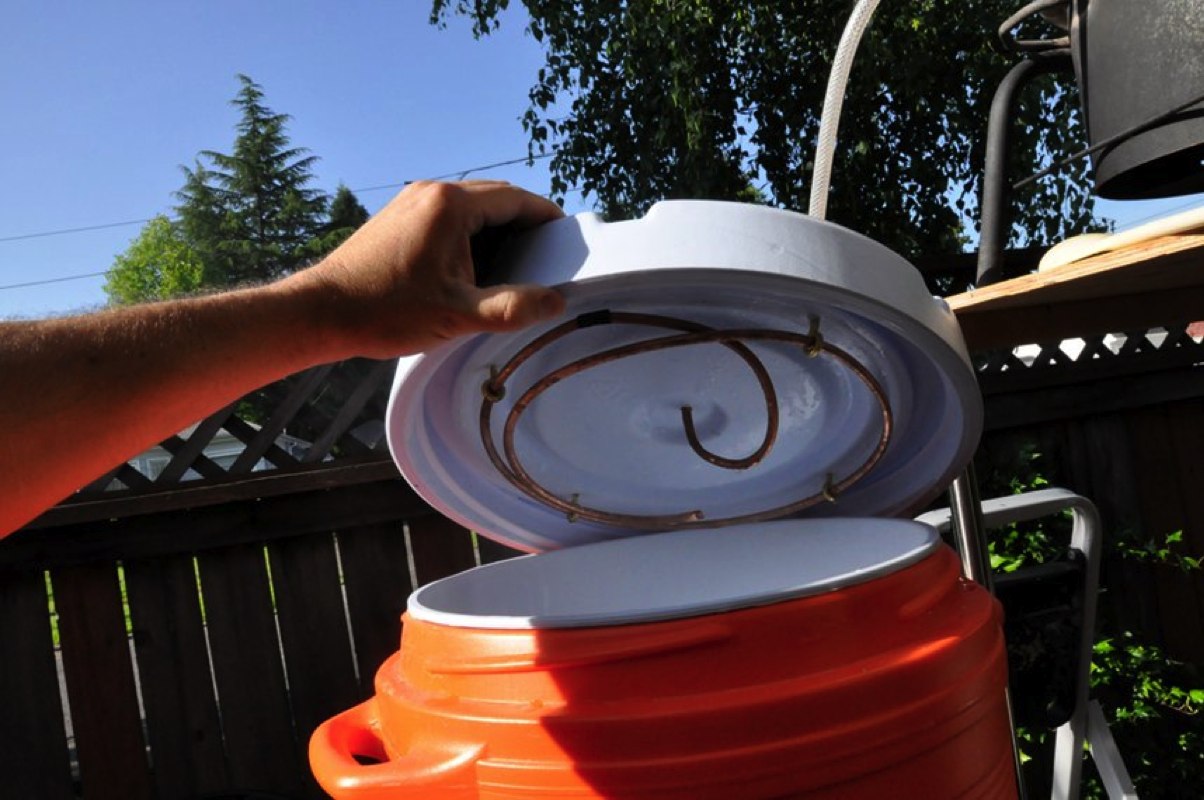
Batch 5: Oaked DIPA
added .75 oz by weight to 1/4 cup water for bottling 1.5 gallons (what was left after a few samples)
- there are still 5 gallons of the DIPA (un-oaked) waiting to be bottled; was considering the keg route but who am I kidding, that was over a month ago.



Thursday, September 10, 2009
Delirium Tremens Glass Night!
2009.09.09
It was a comfortable summer evening at the saucer when Gina, an old highschool friend, came in to town to celebrate here 30th Birthday and introduced me to Delirium Tremens while at the Saucer. It was during the start of my beer snobbery and I loved (as I do often now) new beer to explore. I loved the beer, and my wife took special notice to the glass. As a fan of elephants she loved the glass and wanted one right away. When we inquired to the availability, there were none to spare. It was recommended that we come to glass night to get our hands on one (or three in our case, sorry Show-Me-Beer I would have ordered you one if I had known).

Belgian Strong Pale Ale _ 8.5%
A: A nice clear golden color with soft white foamy head that laces nicely as you drink it.
S: Smells of sour dough bread, tart green apples, and a hint of mild spice.
T: There is a bit of bite from the carbonation in the front with a nice tranforming flavor. It would travel to the middle of your tongue with the tart apple fruitiness and then finish by reaching the back corners of your tongue with a cherry lace.
B: Light in body, but that changed with the temperature. As it warmed it grew bigger and more enjoyable.
D: You can have a few of these but I would recommend taking your time as Belgian Beers are meant to be sipped; this wasn't tapped from the rockies.
It was a comfortable summer evening at the saucer when Gina, an old highschool friend, came in to town to celebrate here 30th Birthday and introduced me to Delirium Tremens while at the Saucer. It was during the start of my beer snobbery and I loved (as I do often now) new beer to explore. I loved the beer, and my wife took special notice to the glass. As a fan of elephants she loved the glass and wanted one right away. When we inquired to the availability, there were none to spare. It was recommended that we come to glass night to get our hands on one (or three in our case, sorry Show-Me-Beer I would have ordered you one if I had known).
Belgian Strong Pale Ale _ 8.5%
A: A nice clear golden color with soft white foamy head that laces nicely as you drink it.
S: Smells of sour dough bread, tart green apples, and a hint of mild spice.
T: There is a bit of bite from the carbonation in the front with a nice tranforming flavor. It would travel to the middle of your tongue with the tart apple fruitiness and then finish by reaching the back corners of your tongue with a cherry lace.
B: Light in body, but that changed with the temperature. As it warmed it grew bigger and more enjoyable.
D: You can have a few of these but I would recommend taking your time as Belgian Beers are meant to be sipped; this wasn't tapped from the rockies.
Subscribe to:
Posts (Atom)